Public Demands Blood Testing for Cancer-Causing Chemicals in Wales
Residents in North Wales are advocating for blood tests due to concerns about potential exposure to cancer-causing PCBs near a former toxic waste lagoon.
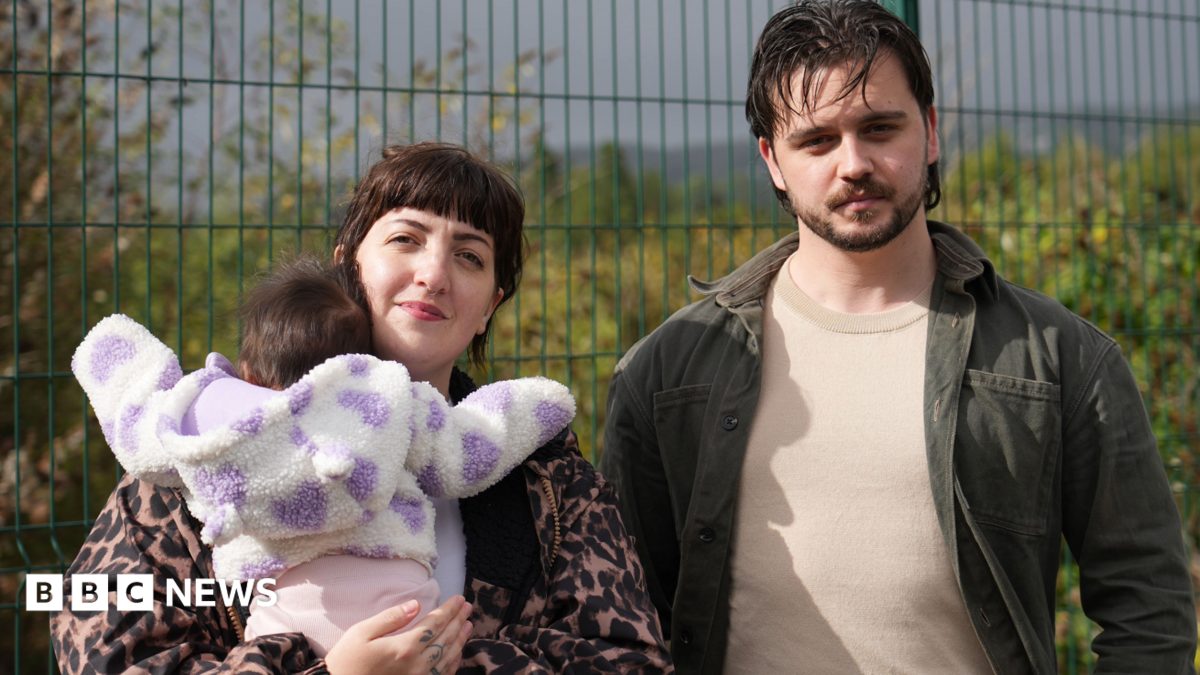
Residents living near a lagoon in North Wales, previously identified as a dumping ground for chemical waste, are demanding blood tests for potential exposure to cancer-causing polychlorinated biphenyls (PCBs). The community's concerns have intensified following a BBC documentary by Michael Sheen, which highlighted the lagoon's contaminated history. However, Public Health Wales (PHW) does not recommend such testing, stating it would not reliably assess individual exposure and could cause undue anxiety.
Highlights
- Residents near the Llwyneinion lagoon, a former chemical waste site, are campaigning for blood tests due to fears of exposure to PCBs.
- Public Health Wales (PHW) advises against blood testing, arguing it doesn't reliably measure individual exposure and could increase public concern.
- Private testing commissioned for the documentary revealed "very high" PCB levels in the blood of Michael Phillips, a resident who played near the lagoon as a child.
- Campaigners are calling for PHW to conduct voluntary blood testing and initiate a national soil testing program.
- The Welsh government has pledged to prioritize addressing contaminated land and develop a new strategy to restore post-industrial sites.
Details
Residents like Natalie Dugdale are worried about their children's potential exposure to dangerous chemicals. The Llwyneinion lagoon is known as one of the notorious dumpsites for PCBs from the US chemical giant Monsanto's factories in Wrexham and Newport. The documentary team found elevated PCB levels in soil samples from public areas beyond the fenced-off lagoon and at 13 other suspected dumpsites. Michael Phillips, 63, who played at the lagoon as a child and later developed a rare cancer, had "very high" PCB levels in his blood from private testing. Phillips suspects a link to the lagoon, noting many friends who played there have also died from similar rare cancers.
PHW maintains that blood tests cannot pinpoint the source of exposure due to numerous environmental PCB sources (like food and household materials) and that since there's no treatment for elevated levels, testing would only increase worry. Professor Sarah Jones, a consultant in environmental public health at PHW, stated, "Generally when we do any sort of testing we want to be able to put things right for people and that's what we can't do here." However, campaigners believe testing would provide "peace of mind" and offer national data on community exposure levels.
Why it matters
This situation highlights a critical debate regarding the potential health impacts of environmental pollution in former industrial areas and how public health bodies should respond to such concerns. The tension between residents' demands for information and health protection, and public health authorities' reliance on scientific evidence, could set a precedent for other regions facing similar contamination issues. Public trust and transparency are crucial in managing such crises.