Wetlands Can Absorb Carbon Faster Than Forests in Climate Change Fight
Scientists suggest wetlands could be a more effective tool than forests in combating climate change, absorbing carbon up to four times faster.
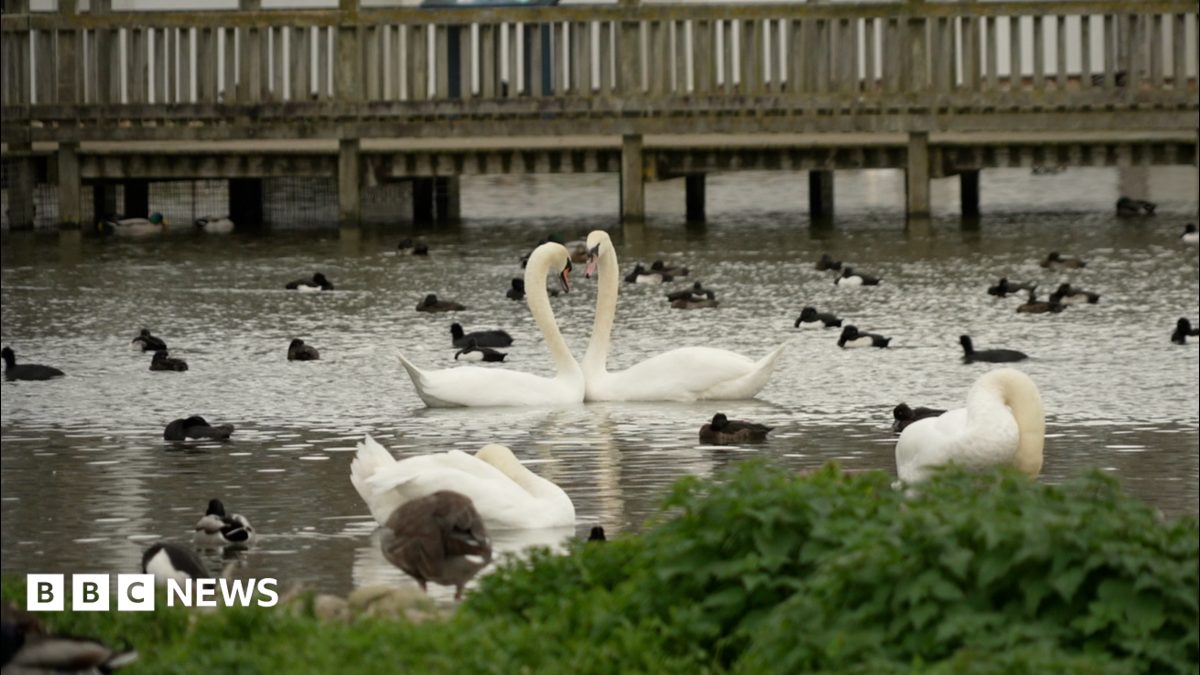
While rainforests are widely recognized for their role in fighting climate change, scientists are now highlighting wetlands as potentially even more crucial. According to the Wildfowl and Wetlands Trust (WWT) charity, saltmarshes, mangrove swamps, and other wetland types can absorb carbon four times faster than trees.
As WWT celebrates 80 years since its first wetland bird reserve was founded at Slimbridge, Gloucestershire, the charity's leaders have called for the restoration of one million hectares of wetlands across the globe. Sarah Fowler, CEO of WWT, stated, "They are mood-boosting, flood-buffering, water-purifying, incredible habitats. But we have lost 85% of the world's wetlands."
Highlights
- Wetlands are capable of absorbing carbon four times faster than forests in the fight against climate change.
- Approximately 85% of the world's wetland habitats have been lost.
- The Wildfowl and Wetlands Trust (WWT) is advocating for the restoration of one million hectares of wetlands worldwide.
- Wetlands are critical for the survival of 40% of the world's species.
- These habitats also provide essential environmental benefits like flood control and water purification.
Details
Naturalist Peter Scott pioneered modern conservation efforts by establishing a bird reserve at Slimbridge, England, in 1946. Beyond creating a safe haven for endangered species, Scott was a vigorous campaigner for nature. He led the fight to stop commercial whaling and helped establish the World Wildlife Fund (WWF).
Over 80 years, teams at Slimbridge have successfully hand-reared several species. It was during their work to save the Madagascan Pochard that they realized the vital importance of wetland habitats for species survival. WWT CEO Sarah Fowler explained, "We realized that to save that species, we had to bring the wetland back. And to bring the wetland back, we had to work with the whole community in Madagascar."
Scientists estimate that 85% of the world's wetland habitats have been lost, as marshes were drained for agriculture and swamps cleared for construction due to expanding cities. Yet, as Fowler pointed out, "40% of the world's species rely on wetland habitats for survival."
Why it matters
The discovery that wetlands are more effective than forests in carbon absorption for climate change mitigation presents a new focus for global conservation efforts. Restoring these habitats will not only help slow the climate crisis but also provide essential living spaces for endangered species and offer vital ecosystem services such as flood control. The recovery of lost wetlands worldwide is seen as a critical step for the health of our planet.