One Year of Ceasefire in Gaza: Israeli Control Expands Amid Ongoing Conflict
Despite the release of hostages by Hamas and President Trump's promised ceasefire, a year later, conflict and humanitarian crisis persist in Gaza.
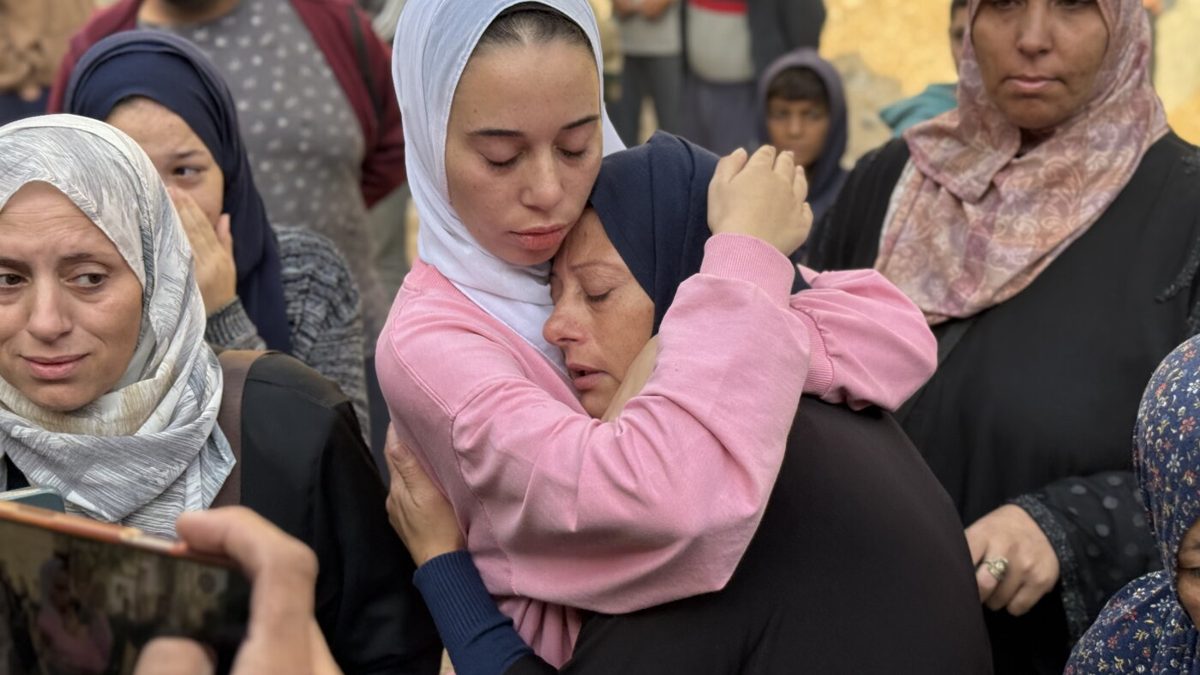
One year has passed since Hamas released the remaining Israeli hostages and former U.S. President Donald Trump promised an end to the war, with a ceasefire taking effect on October 10, 2025. However, the Gaza Strip has not seen the promised international peacekeeping force or reconstruction. Palestinians in the region describe the past year as a 'ceasefire in name only.'
Highlights
- The Israeli military has expanded its control to approximately 70% of Gaza, confining over 2 million Palestinians to a narrow strip near the sea.
- During the ceasefire, Israeli attacks targeting Hamas continued, resulting in the deaths of over 1,400 Palestinians, including nearly 500 women and children, according to Gaza's Health Ministry.
- While the intensity of bombings has decreased, they have not ceased entirely, though this slowdown has allowed more food to enter Gaza, reversing starvation in the northern part of the territory.
- In the initial days of the ceasefire, Palestinian prisoners were reunited with their families, and some efforts to return to normalcy were observed in certain areas.
- However, Israel's ban on over 40 international aid organizations from bringing staff or aid into Gaza has negatively impacted the humanitarian situation.
Details
The process initiated after President Trump urged Israel to agree to a ceasefire and Hamas to release hostages has not brought the anticipated peace. The promised international peacekeeping force and reconstruction have not materialized, while Israeli military control has significantly expanded. According to data from Gaza's Health Ministry, among the more than 1,400 Palestinians killed in ongoing attacks during the ceasefire, a significant number were women and children.
Although the frequency of bombings has decreased, this has provided a slight respite for the people of Gaza. More food has entered the northern region, which was declared to be experiencing famine by UN-backed experts last year, alleviating the hunger crisis. Nevertheless, Israeli restrictions on international aid organizations severely hinder humanitarian efforts in the region.
Why it matters
The one-year assessment of the ceasefire in Gaza highlights the fragile situation and how far the region is from a lasting solution. Ongoing conflicts, expanding Israeli control, and restrictions on humanitarian aid further complicate the struggle for survival for millions of Palestinians. This situation raises serious questions about the effectiveness of international peace efforts in the region.