South Africa Revokes Asylum Processing Directive Amid Violent Protests
South Africa has withdrawn a new directive for asylum applications after anti-migrant protests turned violent in Johannesburg and Durban.
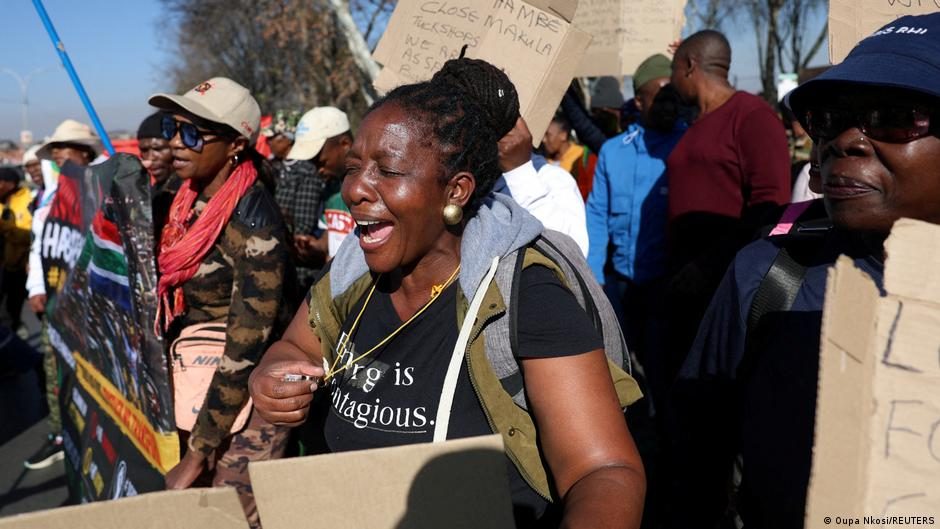
Highlights
- South Africa has rescinded a recent directive concerning the processing of asylum requests.
- This decision follows outbreaks of violence during anti-migrant demonstrations in major cities.
- The original directive was issued in response to a court ruling that broadened access to the asylum system.
- Authorities noted that asylum processing centers became quickly overwhelmed, posing risks to staff.
- The government clarified that the court's judgment does not automatically grant refugee status or permanent residency.
Details
South Africa's Department of Home Affairs has retracted a contentious directive related to asylum applications. This move comes after a series of violent anti-migrant protests erupted in Johannesburg and Durban. The directive itself was a response to a judicial decision that stipulated asylum seekers could not be barred from the country's asylum system based solely on procedural grounds, such as unlawful entry.
Following the court's judgment, the department reported that facilities for asylum seekers were rapidly inundated, creating hazardous conditions for personnel. This situation fueled protests which began in Durban, where fourteen vehicles were set ablaze and stores were ransacked. The unrest then spread to Johannesburg's Soweto township, resulting in the torching of ten vehicles and further looting. Johannesburg Metropolitan Police Department spokesman Superintendent Xolani Fihla stated in an interview with SABC television that clashes occurred between foreign nationals and South African citizens, though no injuries were reported.
Why it matters
These events are part of a broader pattern of anti-immigrant sentiment that has been building in South Africa for months. Despite having Africa's largest economy, the nation faces high unemployment rates, with a third of its population out of work. This economic pressure often leads to migrants being accused of job displacement, increasing crime, and overburdening public services. However, social scientists frequently point out that these accusations lack factual support.