Young Women in India Find New Roles Through Astronomy Tourism
In Hanle, India's Ladakh region, four young women are becoming astronomy guides, generating income and gaining prominence within their community.
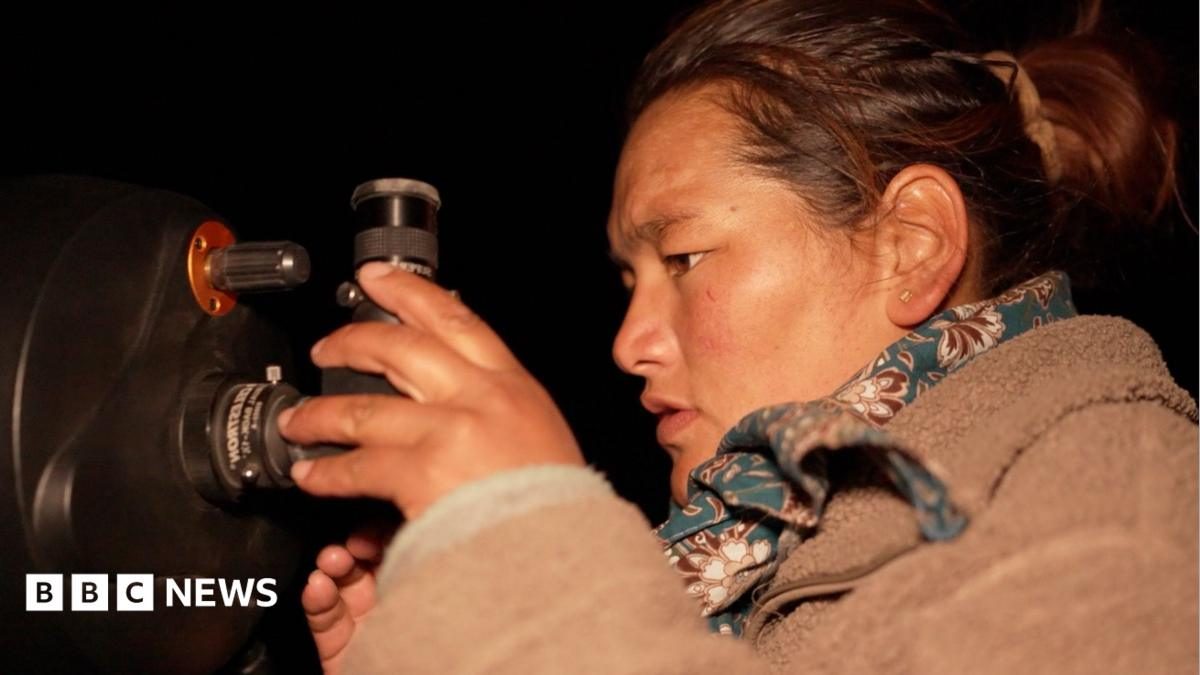
In Hanle, a remote village in India's Himalayan Ladakh region, located 4,500 meters above sea level, exceptionally clear and dark skies have made it a prime destination for astronomy enthusiasts. Thanks to a recent surge in astronomy tourism, four young women—Palzes Angmo, Tsering Dolker, Tsering Yangdol, and Padma Chamchot—have emerged as the village's 'astro-ambassadors.'
By day, these women assist guests at their family-run homestays, but by night, they set up telescopes and guide visitors through the constellations and planets. This new role provides them with both financial independence and increased confidence within their community.
Highlights
- Four young women in Hanle are contributing to local tourism by becoming astronomy guides.
- They work in family homestays during the day and guide visitors through the night sky with telescopes in the evenings.
- Visitor numbers to Hanle, designated India's first Dark Sky Reserve in 2022, have soared from 3,000 to 30,000 annually over five years.
- The women earn an average of 25,000 rupees (approximately $260) monthly, achieving financial independence.
- Hanle offers around 260 suitable nights for astronomical observation each year and hosts the Indian Astronomical Observatory.
Details
Hanle's remote location, dry air, and lack of light pollution make its skies highly valued by astronomers. The Indian Astronomical Observatory, operated by the Indian Institute of Astrophysics, is also situated here. In 2022, the Ladakh administration and the Institute trained 24 young people from Hanle and nearby villages in astronomy; these women were among the trainees. Over 15 days, they learned to identify stars, planets, and constellations, navigate the night sky, operate telescopes, and photograph the Milky Way with their phones.
Initially nervous about handling the equipment, the women have become confident guides over four years. Evening observation sessions typically begin around 9 PM, where they point out lunar craters, Saturn's rings, and other celestial bodies using laser pointers. At 11 PM nightly, the village lights are switched off, enhancing the visibility of the Milky Way. Padma Chamchot notes, "When people look through the telescope and capture a photo alongside the Milky Way, they experience immense joy."
Why it matters
This initiative provides a new career path for young women in Hanle, while also leveraging the region's unique dark sky potential for tourism. However, the increasing number of visitors and associated development could threaten Hanle's pristine dark skies. Experts emphasize the need for managed tourism and sustainable growth. This development also bridges the gap between the scientific community and the general public, strengthening the role of women in community life.