UK Government Explores New Revenue Streams Without Income Tax Hike
UK Chancellor John Healey is seeking new ways to raise revenue to boost fiscal headroom and fund public spending, while avoiding increases in income tax.
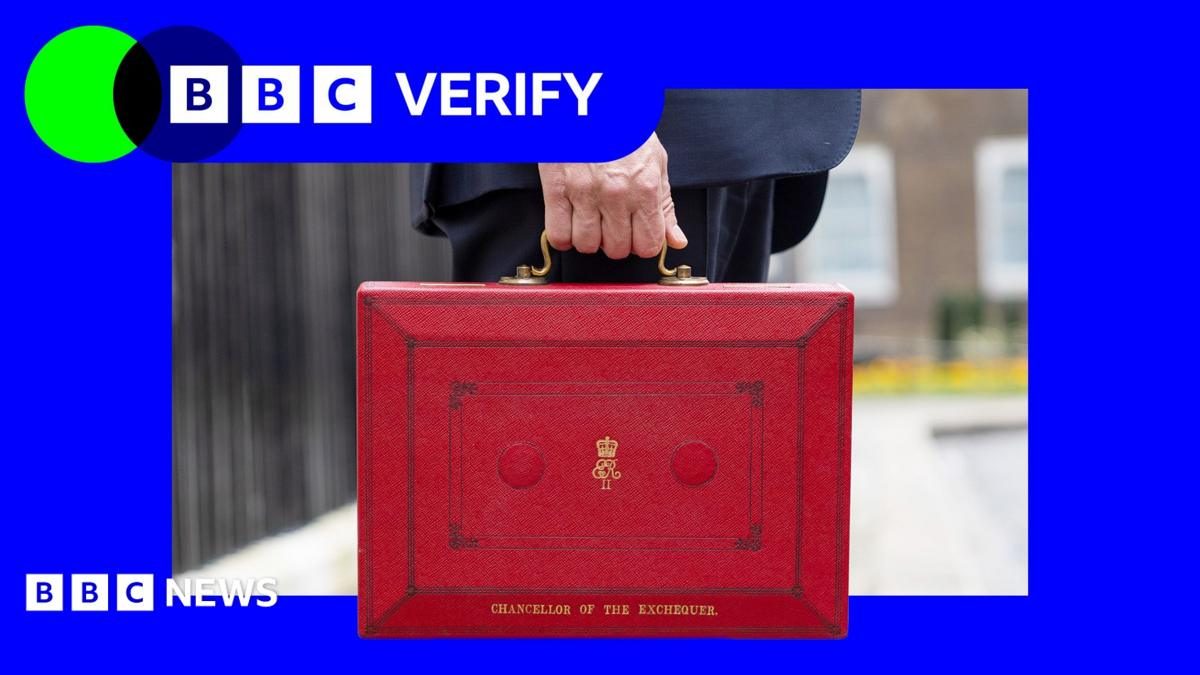
UK Chancellor John Healey is expected to seek new revenue streams to bolster the government's financial buffer, known as 'headroom,' and maintain its borrowing reduction targets. Economists estimate this buffer may have halved in the last six months, from around £24 billion to as low as £11 billion. The government also faces pressure to find funds for the rising cost of living and increased defense spending.
Highlights
- The UK government's fiscal headroom has significantly decreased, prompting Chancellor John Healey to explore alternative revenue sources.
- The Labour Party's 2024 election manifesto pledged not to increase income tax, VAT, or National Insurance rates.
- Potential options for raising revenue include increasing taxes on banks, hiking the tax on electronic gaming machines, and making online marketplaces responsible for VAT collection.
- These three tax measures combined are estimated to raise a maximum of approximately £3.5 billion annually.
- Cuts to welfare spending are also being considered, but concerns exist regarding their potential social impact.
Details
According to BBC Verify's analysis, several options are on the table for the government to raise money. One proposal is to increase the corporation tax surcharge on banks from 3% to 5.5%. The Tax Policy Associates think tank suggests this could generate an additional £1 billion to £2 billion per year for the Treasury. However, banks warn that such a move could deter investment and lead to job losses.
Another suggestion is to increase the tax on electronic gaming machines. Following calls from former Prime Minister Gordon Brown, there's consideration to double the tax on these machines from 20% to 40%. The Social Market Foundation (SMF) estimates this could raise between £275 million and £460 million annually. The gambling industry, however, argues that this could lead to the closure of betting shops and jeopardize jobs within the sector.
A third option involves making large online marketplaces, such as Amazon, eBay, and Temu, responsible for collecting VAT owed by retailers selling on their platforms. The Treasury estimates a 'VAT tax gap' of around £12 billion annually. This measure is projected to curb tax evasion and could generate approximately £1 billion in additional VAT revenue each year. Amazon supports the move, estimating it could raise £700 million in VAT for the government annually.
Why it matters
The government's shrinking fiscal headroom and its commitment not to raise major taxes like income tax are pushing the Chancellor to seek alternative revenue streams. These new tax measures could play a critical role in controlling public borrowing and funding essential public services. However, the potential impacts of these measures on the banking, gambling, and online retail sectors, and ultimately on consumers, will be closely watched.