UK Chancellor to Ask EU Finance Ministers for Inclusion in 'Made in Europe' Scheme
UK Chancellor John Healey will urge the EU to include Britain in its 'Made in Europe' program, designed to protect industries from unfair Chinese competition.
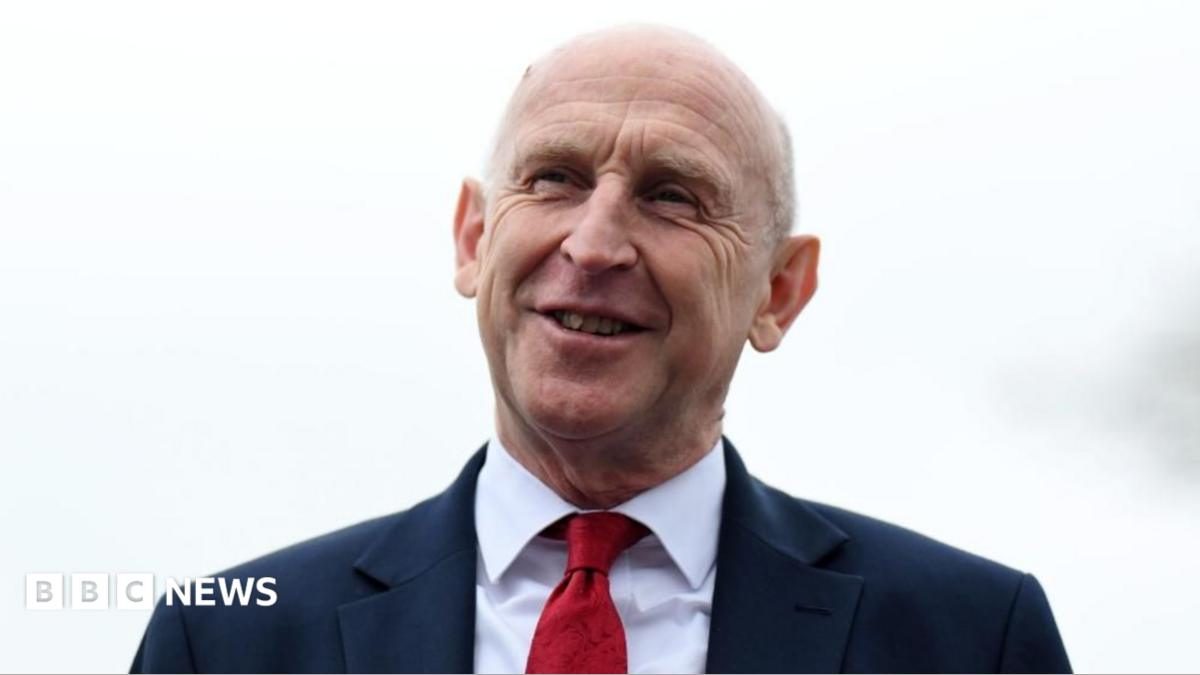
UK Chancellor John Healey is set to appeal to European Union (EU) finance ministers to ensure the UK is not excluded from the bloc's 'Made in Europe' scheme. The program aims to safeguard industries from unfair Chinese competition, and Healey will advocate for its design to deepen ties with the UK rather than create new barriers.
Highlights
- UK Chancellor John Healey will meet with EU finance ministers in Dublin to discuss the UK's inclusion in the 'Made in Europe' program.
- Healey seeks to prevent British firms from being locked out of European supply chains and to foster stronger economic links with the EU.
- Previous negotiations for the UK to join an EU defense loans scheme collapsed last year over financial contributions.
- Major companies like Nissan have highlighted the deep interdependence of EU and UK manufacturing, warning that restrictions could harm competitiveness.
- This move is part of Healey's broader effort to mitigate Brexit's economic impact and build closer relations with the EU.
Details
The 'Made in Europe' policy, officially known as the Industrial Accelerator Act (IAA), is currently under consideration by the EU and intends to protect EU manufacturing through restrictions on goods from non-member countries. The British government is concerned that this scheme could exclude UK firms from vital European supply chains. Treasury sources indicate that Healey aims to reduce the economic repercussions of Brexit and forge closer ties with the EU, but not at any cost to the UK.
Discussions for Britain to join an EU defense loans scheme failed last year due to disagreements over the UK's financial contribution. Sir Crawford Falconer, a former UK trade negotiator, noted that the EU's initial proposal would have allowed free trade partners like the UK to participate, but a subsequent proposal limited membership to EU nations. Sir Crawford stated this caused "everyone to hit the panic button," suggesting that an inability to compete on equal terms could jeopardize the viability of some UK production facilities.
Why it matters
This initiative is a significant indicator of the UK's post-Brexit efforts to redefine its economic relationship with the EU and integrate into European industrial policies. Restricting British firms' access to European supply chains could have severe economic consequences, particularly for sectors such as automotive manufacturing. Healey's push is also linked to broader UK objectives, including economic growth and managing defense spending commitments.