Why Are Oil Prices Still Rising Despite Easing Iran War Tensions?
Despite a rebound in supply and easing tensions from the US-Israel war on Iran, global oil prices remain over 60% higher than pre-war levels.
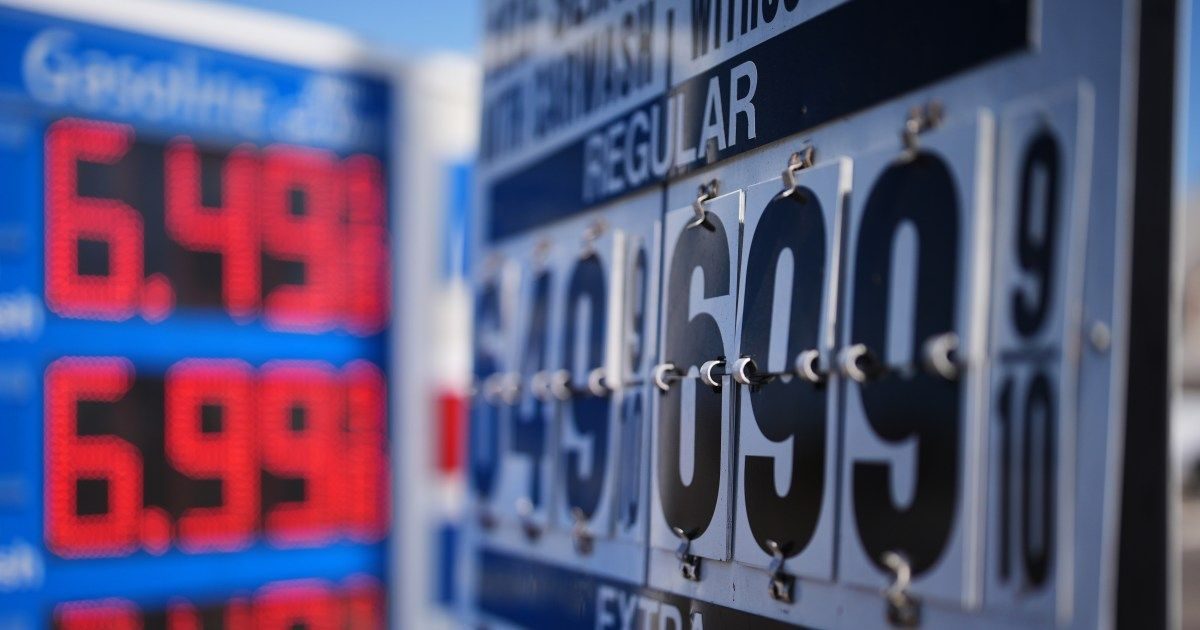
Global Brent crude oil prices are trading more than 60 percent above pre-war levels, reaching over $117 a barrel, even as oil flows from the Gulf have substantially increased. This surge in supply follows significant disruptions caused by the US-Israel war on Iran.
Market analysts attribute the climbing prices to anxieties about renewed hostilities in the region, dwindling oil stockpiles, and the elevated costs associated with transporting supplies out of the area.
Highlights
- According to Kpler, crude exports from the Gulf averaged 24.6 million barrels per day (bpd) in the week to October 18, surpassing pre-war averages.
- Brent crude, the global benchmark, is trading at its highest prices since April, up over 60 percent compared to before the war.
- Adi Imsirovic, an energy systems lecturer at the University of Oxford, stated that the market indicates ample prompt oil but no end to the war in sight, with escalation being highly likely.
- Shipping lines have established a ship-to-ship transfer system off Oman and the UAE to mitigate threats of Iranian attacks on shipping in the Strait of Hormuz.
- As of September, 40 percent of exports from the Gulf bypassed the Strait of Hormuz via pipelines, up from 17 percent before the conflict.
Details
Oil producers have adapted to the volatile Middle East climate by implementing innovative solutions to maintain supply. Facing threats in the Strait of Hormuz, shipping companies now use a shuttle system where smaller vessels transport oil through the strait to larger tankers waiting outside the danger zone. In August, over 70 percent of crude crossing the strait utilized these ship-to-ship transfers.
Alternative routes, such as Saudi Arabia’s East-West pipeline and the UAE’s Habshan-Fujairah pipeline, are also increasingly used to bypass the Strait of Hormuz, which typically handles one-fifth of global oil and LNG supplies. However, freight costs have soared to as much as $40 per barrel in recent weeks, approximately 10 times the usual rate, driven by logistical challenges and increased insurance premiums.
Oil stockpiles, crucial buffers during supply disruptions, are diminishing. Observed inventories fell by 10 million barrels in September, leaving global stockpiles 509 million barrels below pre-war levels, as reported by the International Energy Agency (IEA). Pavel Molchanov, an investment strategist at Raymond James & Associates, noted that OPEC Gulf production reached 75 percent of its pre-war baseline in September, still a considerable distance from 100 percent.
Why it matters
Analysts foresee no immediate return to normal oil prices as long as the Iran war continues without a permanent resolution. Experts suggest that prices could only return to $70 a barrel with sustained de-escalation, normalized transit and shipping conditions through Hormuz, rebuilt inventories, and restored freight costs. Without a permanent diplomatic solution to the war, it is considered unrealistic for supply to exceed 85 percent of pre-war levels.