Spain Train Crash: Two Trains Collide After Computer Failure, Many Fatalities Reported
A train crash south of Madrid, Spain, involving two trains after a computer failure, has resulted in at least 68 deaths.
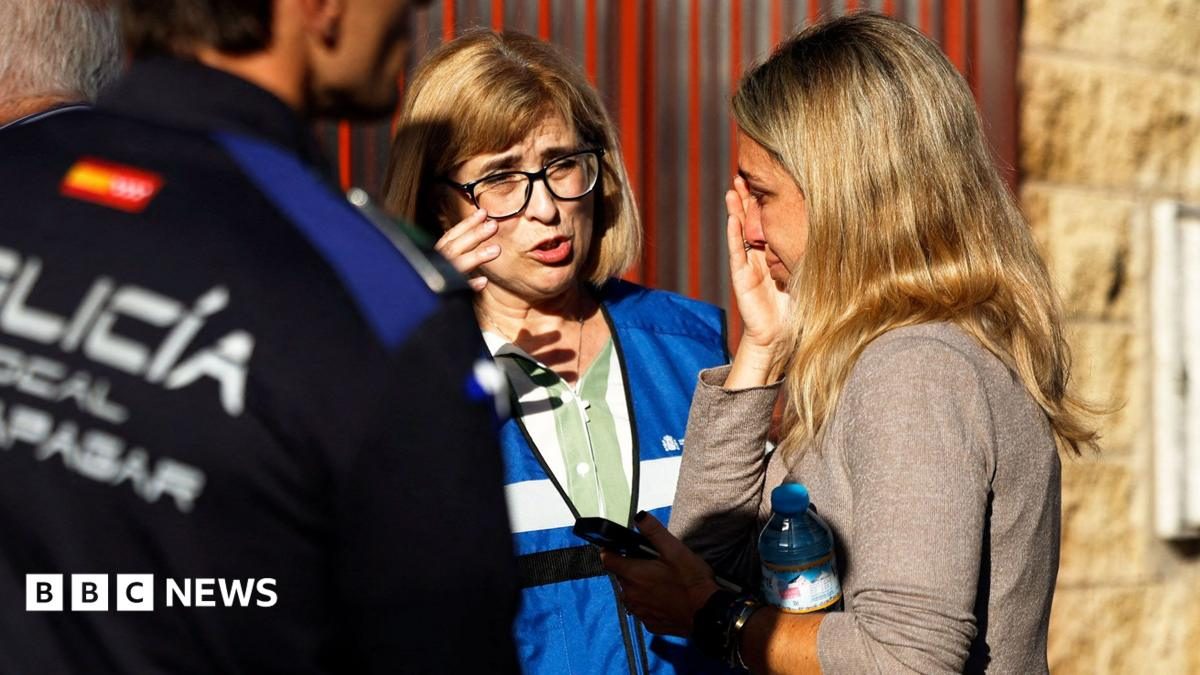
At least 68 people have died after two trains collided in the province of Toledo, south of Madrid, Spain, on Wednesday morning. The incident involved a private Iryo company train and a state-owned Renfe train, both operating on the Madrid to Seville route.
According to Transport Minister Oscar Puente, a computer failure initially caused six moving trains to halt. The accident occurred when the control center subsequently allowed trains to move again without speed restrictions, leading to a Renfe train crashing into a stationary Iryo train from behind.
Highlights
- Two trains crashed just south of Madrid, approximately 140 km away, between the municipalities of Mora and Orgaz on Wednesday morning.
- At least 68 people are confirmed dead, with 80 injured; 50 of the injured are in serious condition, and 15 are critical.
- The Transport Minister stated that a computer failure, followed by the control center's decision to allow trains to proceed "under inexplicable circumstances," led to the collision.
- One of the trains involved was carrying 146 passengers plus a baby, while the other had 397 passengers on board.
- Spanish Prime Minister Pedro Sánchez has pledged to investigate the cause of the tragedy and address any negligence or security system failures.
Details
The crash happened just after 09:00 (08:00 GMT) when a high-speed train traveling from Madrid to the south of the country collided with another train that was apparently stationary. The impact caused at least two carriages to fall down an embankment, resulting in extensive damage. All train traffic on the affected line has been suspended, impacting services between Madrid, Ciudad Real, and Andalusia.
Iryo stated that its train was "struck from behind" by a Renfe train due to unknown causes. Audio recordings between train controllers and drivers reportedly indicate that one high-speed train was cleared to move despite another ahead being stalled. Hospitals in the region have suspended planned surgeries to cope with the influx of patients, and a blood transfusion center in Madrid has appealed for urgent donations.
Why it matters
This incident marks the second high-speed rail tragedy in Spain this year, following a derailment in January that claimed 46 lives. Prime Minister Sánchez expressed that "the whole of Spain is grieving" and emphasized that any failures in the security system would be addressed with the utmost firmness. These accidents raise serious questions about Spain's railway safety protocols and infrastructure.