KDE Celebrates 30 Years with Plasma 6.8: Bidding Farewell to X11 and Enhancing Remote Access
Open-source software developer KDE marked its 30th anniversary by releasing Plasma 6.8, ending native X11 session support, and introducing a new documentary.
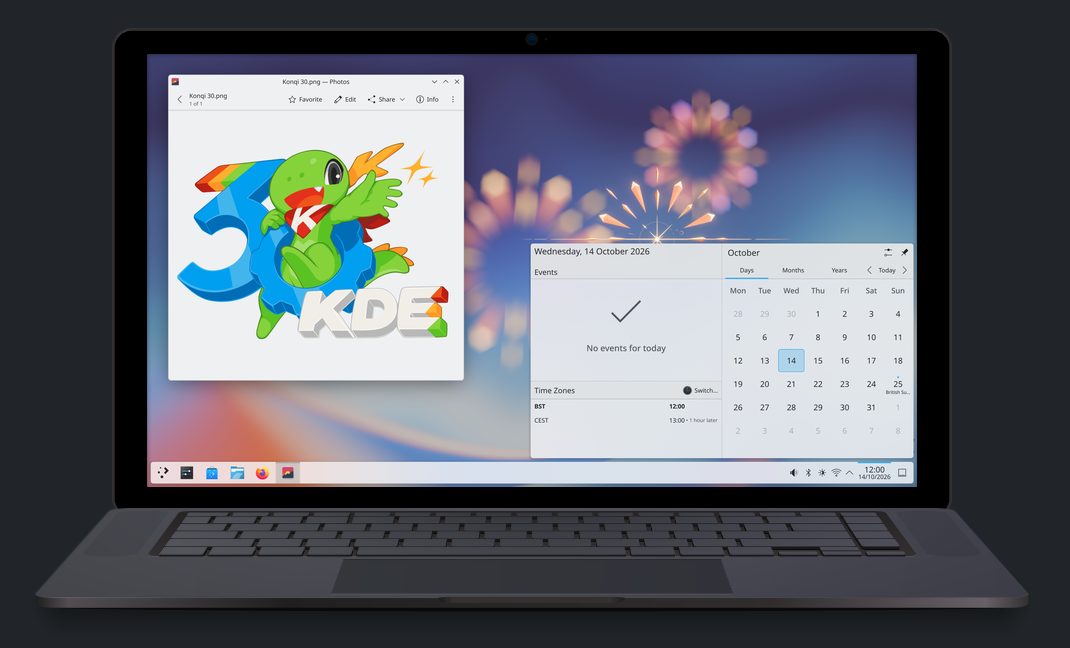
Open-source software developer KDE celebrated its 30th anniversary on October 14 with significant updates. The company released Plasma 6.8, dubbed the "30th Anniversary Edition," debuted a new documentary, and retired Plasma's native X11 session support.
These updates aim to prepare Plasma for the future. Legacy X11 applications will continue to function through the XWayland compatibility layer, and KDE applications will also maintain X11 support under other desktop environments.
Highlights
- KDE celebrated its 30th anniversary on October 14 and released Plasma 6.8.
- Plasma has fully adopted the Wayland system, ending native support for the X11 protocol after 42 years of service.
- The new release includes visual improvements like enhanced window decorations for third-party apps and a more streamlined theming system.
- The remote desktop server has been significantly improved for clients accessing virtual displays across a network.
- The KDE team also unveiled a new documentary film, "The KDE Documentary – A Story of Free Software Underdogs."
Details
Plasma's decision to drop X11 session support was anticipated, especially after GNOME announced it would drop X11 sessions by default in 2025. Users who choose to remain on Plasma 6.7 will retain their existing sessions for now. This transition signifies a growing adoption of Wayland across Linux desktop environments.
Plasma 6.8 introduces numerous enhancements, including Nvidia triple buffering enabled by default, integration of Kup (KDE's backup utility), and kscreenctl, a command-line utility for power users to adjust display configurations. The updated System Monitor now offers users more control over their system processes, allowing them to pin processes directly to CPU cores via the GUI.
Homelab enthusiasts will find plenty to be excited about. Plasma's built-in remote desktop server has been revamped to better cater to clients accessing virtual displays over a network. Key new features include clipboard synchronization, an "Exclusive Mode" that locks the server's physical display while allowing the client to set a matching virtual one, and adaptive remote streaming for improved stability on slower networks.
Why it matters
Plasma 6.8 marks a crucial step in KDE's 30-year journey, particularly with the transition from X11 to Wayland, which will shape the future direction of desktop environments. The improvements in remote access and overall performance aim to provide a more modern and efficient experience for both end-users and developers. Additionally, documentaries like "The KDE Documentary" have the potential to share the story of the open-source community with a broader audience.