Nobel Prize in Medicine Awarded for Optogenetics Breakthrough
US psychiatrist and neurologist Karl Deisseroth, along with German colleagues Peter Hegemann and Georg Nagel, have been awarded this year's Nobel Prize in Physiology or Medicine for their pioneering w
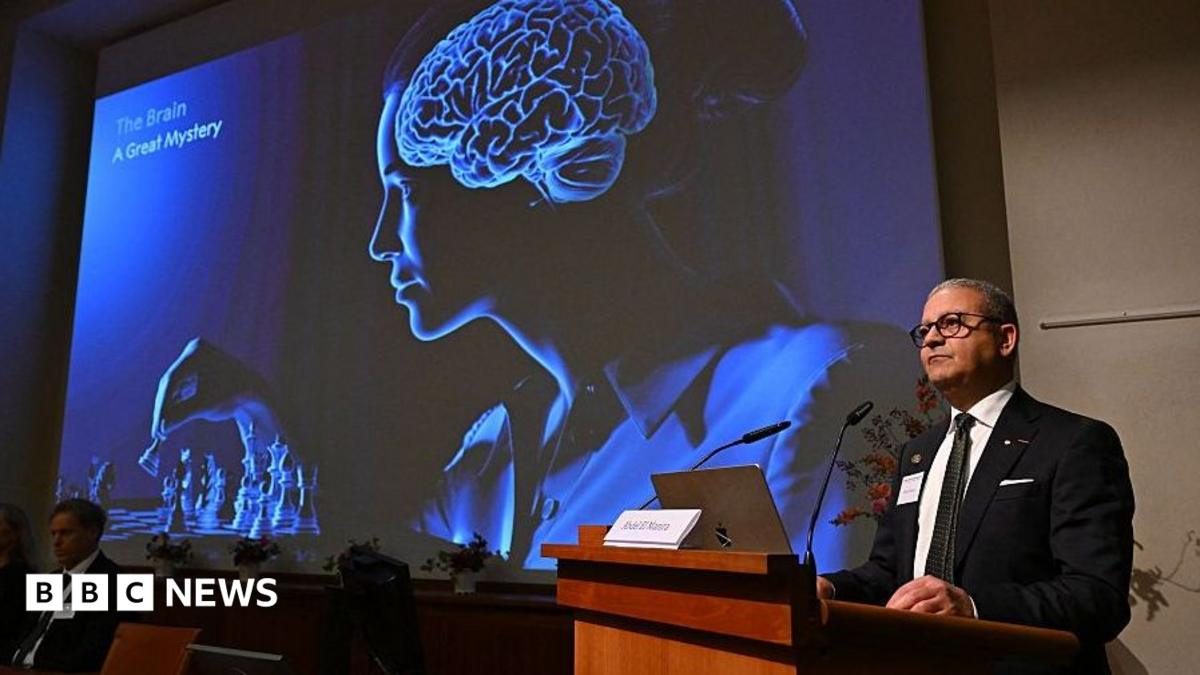
American psychiatrist and neurologist Karl Deisseroth, together with German scientists Peter Hegemann and Georg Nagel, have been awarded this year's Nobel Prize in Physiology or Medicine for their groundbreaking work in optogenetics. The announcement, made at the Karolinska Institute in Sweden, highlighted how their research has ushered in a new era in understanding brain function.
The trio's contributions have provided crucial insights into how nerve cells shape specific memories, feelings, and behaviors, offering a better understanding of neurological and psychiatric disorders. Their work also holds promise for clinical applications, such as restoring sight in individuals with visual impairment.
Highlights
- Karl Deisseroth (USA), Peter Hegemann (Germany), and Georg Nagel (Germany) received the Nobel Prize in Physiology or Medicine.
- The award recognizes their development of optogenetics, a method to control nerve cells with light.
- This technique has advanced our understanding of how the brain works and shapes emotions, memories, and behaviors.
- Researchers are exploring its use in treating neurological and psychiatric conditions, including restoring vision.
- The laureates will share the prize money of £900,000 (12 million Swedish kronor).
Details
The Nobel Committee lauded Deisseroth, Hegemann, and Nagel for laying the foundation of a new era in neuroscience and revealing the neural circuits behind "specific memories, feelings, and behaviours relevant for neurological and psychiatric disorders." Optogenetics is a method that allows scientists to control the electrical activity of cells using light, thanks to a special protein borrowed from algae. This illuminates brain pathways, providing insights into the inner workings of feelings, behaviors, and bodily functions that were previously mysterious.
In the early 2000s, Hegemann and Nagel discovered channelrhodopsin, an algal protein with unique properties. This discovery enabled researchers to study nerve cells and pathways in animals, gaining a deeper understanding of their functions. The committee noted that researchers can now use light to switch individual neural circuits in the brain on or off, bringing memories to life, creating feelings, driving behaviors, and studying neurons involved in various psychiatric and neurological disorders.
Why it matters
Optogenetics offers a revolutionary tool for understanding the complex structure and function of the brain. This technology provides crucial insights into how the nervous system interacts with cells in other parts of the body. Furthermore, the initial steps taken in clinical trials to restore vision in individuals blinded by conditions like retinitis pigmentosa demonstrate the immense future therapeutic potential of this scientific advancement. The Nobel Committee stated, "Optogenetics provides opportunities for mapping the brain in a way that we could once only dream of."