Orionid Meteor Shower Peaks This Week
The Orionid meteor shower, formed from debris left by Halley's Comet, will be most intensely observed in the sky this week.
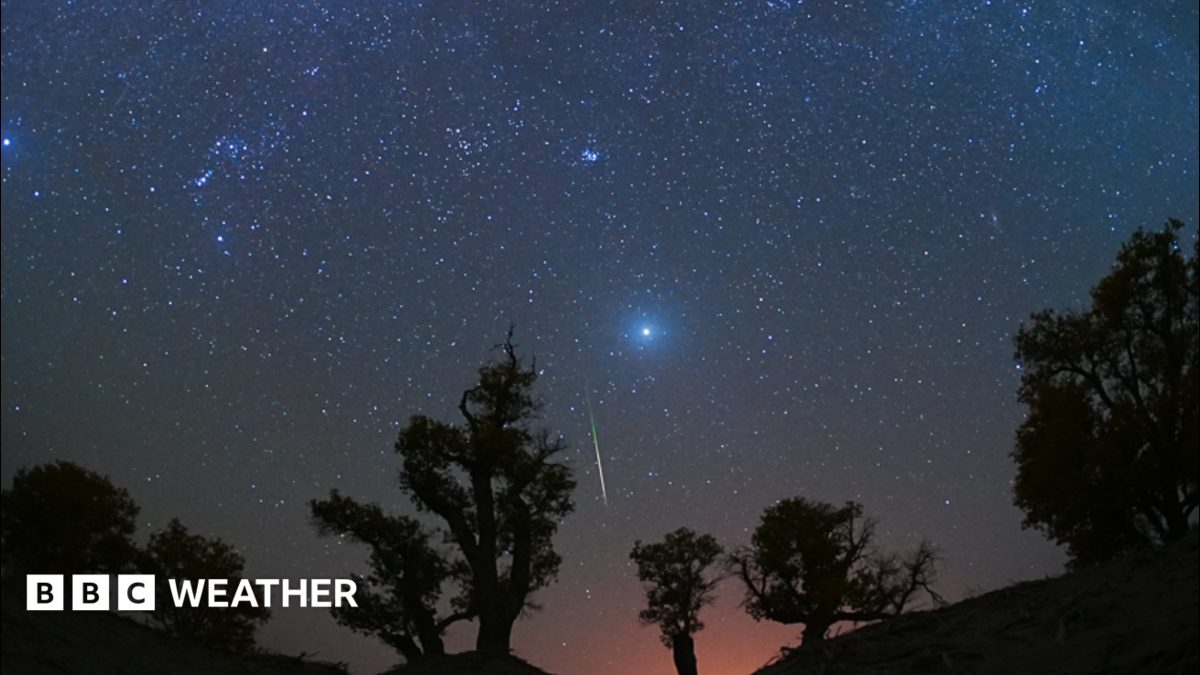
The Orionid meteor shower, composed of dust and rock particles left behind by Halley's Comet, is set to return to Earth's skies this week. One of the year's best-known meteor showers, the Orionids will peak overnight from October 21 to 22. This natural spectacle occurs annually in October as Earth passes through this trail of comet debris.
Highlights
- The Orionid meteor shower is active from October 2 to November 7, peaking on the night of October 21-22.
- Meteors are created when particles from Halley's Comet enter Earth's atmosphere.
- Orionids are particularly fast, entering the atmosphere at around 41 miles per second (66 km/s), leaving bright trails.
- The best time for viewing is between midnight and dawn, when the sky is darkest.
- Under ideal conditions, 10 to 20 meteors per hour can be seen at the shower's peak.
Details
The Orionid meteor shower happens annually as Earth travels through the dust and rock trail left by Halley's Comet in its orbit. When these tiny particles enter Earth's atmosphere at high speed, they heat up due to friction, producing streaks of light across the night sky. The Orionids get their name because they appear to radiate from the constellation Orion.
Halley's Comet is one of the most famous comets in our Solar System, taking approximately 76 years to complete one orbit around the Sun. Last seen from Earth in 1986, the comet itself is a rare visitor. However, the material it leaves behind results in two meteor showers each year: the Eta Aquariids in May and the Orionids in October. Halley's Comet is not expected to be visible from Earth again until 2061.
The brightness of the Moon during this period could make some fainter meteors more difficult to spot. However, brighter meteors should still be visible, especially from dark locations away from artificial light. It is recommended to allow 15-20 minutes for eyes to adjust to the darkness; no binoculars or telescopes are needed for viewing.
Why it matters
The Orionid meteor shower is a legacy of a rarely seen celestial body like Halley's Comet, reminding us each year of the universe's fascinating cycles. This event offers a significant opportunity for sky gazers and astronomy enthusiasts to observe a cosmic phenomenon with the naked eye, keeping interest in celestial events alive.