SpaceX Calls for Better Orbital Coordination After Starlink Near-Misses
SpaceX urged satellite operators to improve data sharing and coordination in orbit after Starlink satellites experienced close encounters with other spacecraft and space debris, as presented at the In
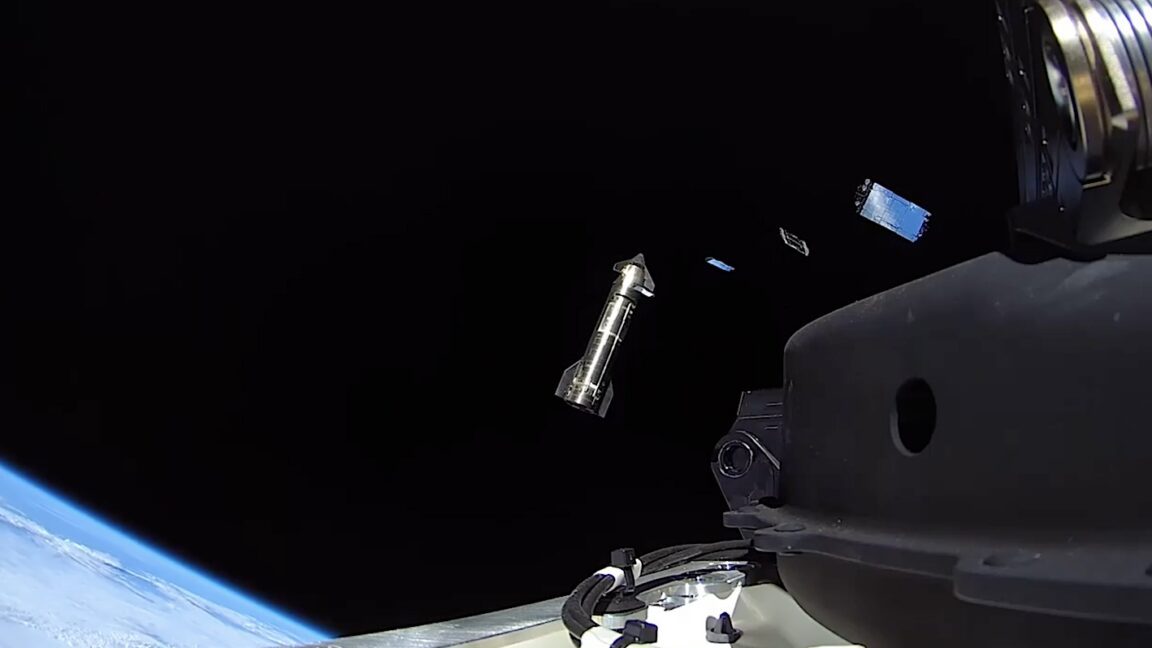
Michael Nicolls, a top executive at SpaceX and its AI subsidiary xAI, emphasized the critical need for enhanced data sharing and coordination among satellite operators in orbit during a presentation at the International Astronautical Congress. Nicolls highlighted that recent close encounters involving Starlink satellites and other objects in space demonstrate the vital importance of information exchange for maintaining a safe operational environment in orbit.
Highlights
- SpaceX's Starlink constellation now comprises over 11,000 satellites, making up about two-thirds of all active spacecraft in low-Earth orbit.
- Starlink satellites have reported close approaches with other operators' satellites, sometimes within tens to hundreds of meters.
- These near-misses are primarily attributed to other operators not sharing satellite location and movement data (ephemeris) or failing to consider other satellites' trajectories during maneuvers.
- SpaceX revealed that Starlink satellites perform approximately 1,000 collision avoidance maneuvers daily.
- While some competitors like Amazon are open to data sharing, challenges persist with certain operators from China and Russia.
Details
Michael Nicolls stated that the close approaches involving Starlink satellites were not due to malicious intent but rather a lack of communication from other operators regarding their maneuvers. "These led to conjunctions of tens of meters to hundreds of meters. Way too close to comfort," Nicolls remarked. SpaceX has implemented measures such as lowering the entire active Starlink constellation's altitude below 500 kilometers to mitigate collision risks and expedite the deorbiting of failed satellites.
The company also publishes ephemeris data for its Starlink satellites and encourages other operators to do the same. Starlink satellites utilize an onboard navigation camera system, called Stargaze, to detect other objects in orbit, tracking about 90 percent of maneuvering satellites that intersect Starlink orbits. Nicolls stressed that a universal commitment to data sharing among all operators would significantly enhance safety in space.
Why it matters
The increasing number of satellites in low-Earth orbit and the planned deployment of mega-constellations (such as SpaceX's Starmind, Amazon's Kuiper, and new Chinese constellations) heighten the risk of orbital collisions. A single collision could generate thousands of new pieces of space debris, potentially triggering a self-perpetuating cycle of debris creation. This scenario could severely jeopardize future space missions and satellite communications. Therefore, transparent data sharing and coordination among all operators are crucial for the long-term sustainability of the space environment.