New Twice-Yearly Injection Could Revolutionize HIV Prevention, But Access Remains a Challenge
A new twice-yearly injection called Lenacapavir is hailed as a breakthrough in HIV prevention, but concerns about global access to the drug are growing.
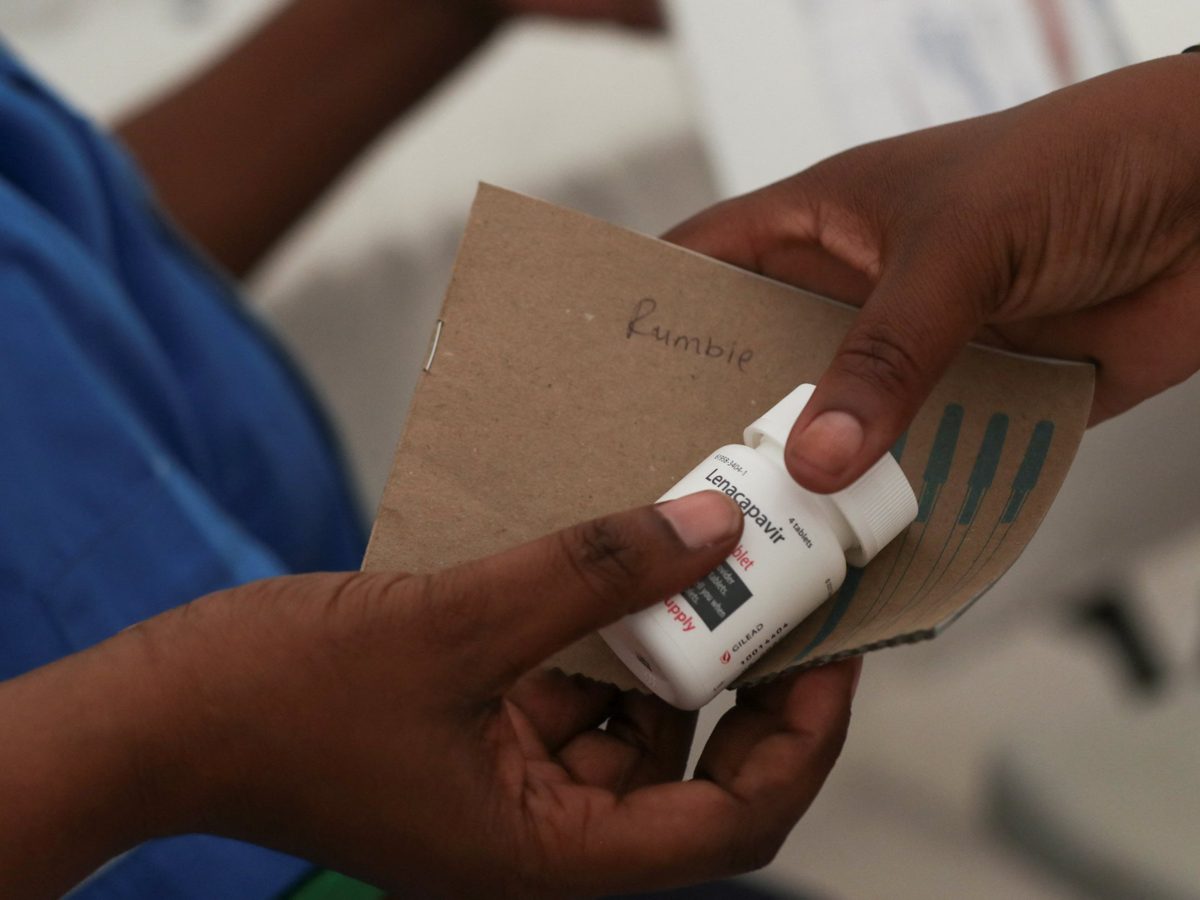
A new injection administered just twice a year, Lenacapavir, could mark a significant turning point in the fight against HIV (Human Immunodeficiency Virus). Developed by the U.S. pharmaceutical company Gilead Sciences, this drug completely prevented HIV infection in over 2,000 young women during a 2024 clinical trial.
Carlota Baptista da Silva, global HIV lead at Doctors Without Borders (MSF), described the drug as "the most innovative tool that has reached the HIV arena for the last decade, because it's the closest we have to a vaccine." The World Health Organization (WHO) has also recommended the long-acting injectable as an additional form of pre-exposure prophylaxis (PrEP), a medicine that reduces the risk of getting HIV.
Highlights
- Lenacapavir, a twice-yearly injection, can prevent HIV, showing 100% efficacy in clinical trials.
- Global HIV funding dropped 18% to $7.3 billion in 2025, the lowest in nearly two decades, making drug access more critical.
- While costing around $28,000 annually in the U.S., generic versions are expected to cost about $40 per year.
- Gilead Sciences excluded 26 middle-income countries, including Brazil, Mexico, Argentina, and Peru, from its generic licensing agreement.
- MSF is advocating for urgent access to this drug for people in humanitarian crises and displaced communities.
Details
Lenacapavir received approval from the U.S. Food and Drug Administration (FDA) for HIV prevention in June 2025. However, the drug's high cost and barriers to accessing generic versions are hindering its widespread global use. While the annual cost is approximately $28,000 in the U.S., generic copies are anticipated to cost significantly less, around $40 per year.
Gilead supplies its version of Lenacapavir at no profit for programs supported by the Global Fund and the U.S. President’s Emergency Plan for AIDS Relief (PEPFAR). Yet, the company excluded 26 middle-income countries from its generic manufacturing licensing agreement, including some that helped test the drug and are experiencing rising HIV infections. MSF argues that this prevents people in countries that contributed to the drug's development from accessing affordable generics.
MSF stated that despite requesting permission to purchase Lenacapavir directly from Gilead for over a year, the company has refused. This situation highlights the importance of a six-month protection injection, especially in humanitarian emergencies where people displaced by conflict or disaster may struggle to adhere to daily pill regimens.
Why it matters
Lenacapavir is considered one of the most significant advancements in HIV prevention in decades. However, the rules governing the drug's manufacture, price, and supply will determine whether this scientific breakthrough reaches those who need it globally. While World Trade Organization (WTO) rules allow governments to bypass drug patents for public health, organizations like MSF argue that pharmaceutical companies should not impede access to such life-saving innovations. This situation could set a crucial precedent for how future medical innovations are distributed worldwide.