Aviva CEO Warns: More UK Homes Could Become Uninsurable Due to Flood Risk
Aviva CEO Amanda Blanc has warned that some homes being built in the UK could become uninsurable in the future due to the increasing risk of flooding.
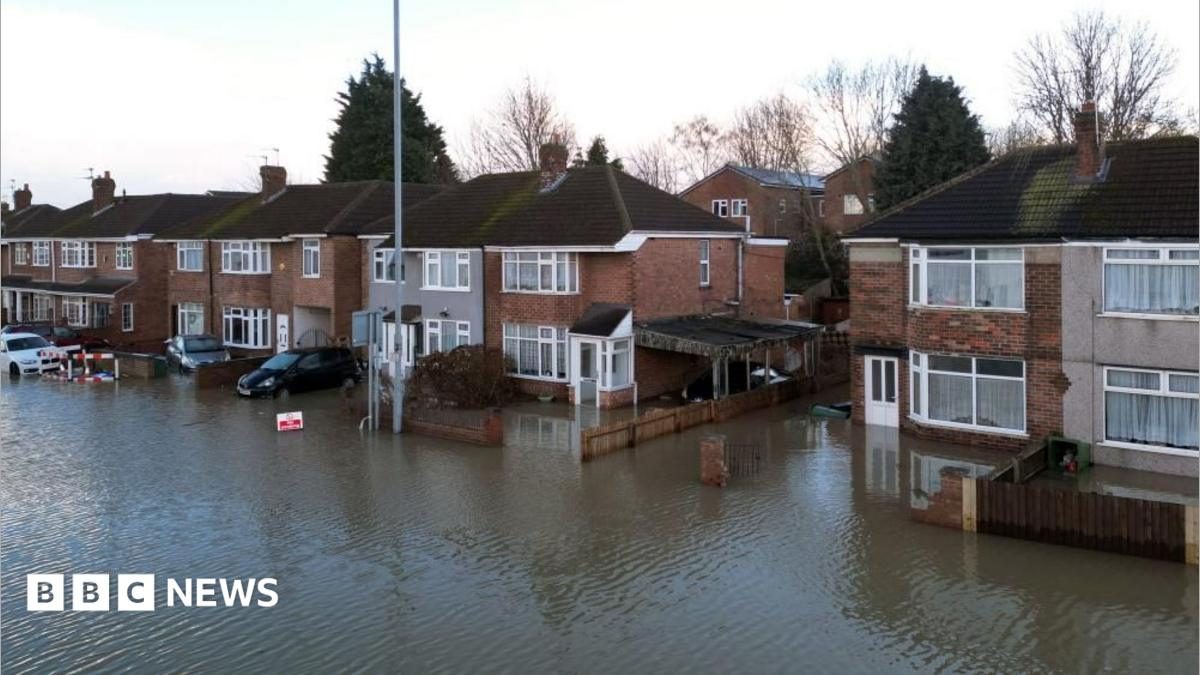
Amanda Blanc, the CEO of insurance giant Aviva, has stated that homes currently under construction in England could become uninsurable in the future due to the escalating risk of flooding. Blanc highlighted that if current building patterns continue, 115,000 new homes will be built in flood zones over the next decade. She emphasized that this approach "doesn't make sense" and that careful consideration is needed regarding where these homes are being built.
Highlights
- Aviva CEO Amanda Blanc noted that the risk of flooding is "absolutely increasing" and questioned the logic of building new homes in flood zones.
- An estimated 115,000 new homes are projected to be built in flood zones within the next ten years.
- According to the Environment Agency, approximately 6.3 million homes and businesses in England are at risk of flooding.
- Aviva's research indicates that one in nine homes constructed between 2022 and 2024 face a medium to high risk of flooding.
- The government stated it has invested a record amount to protect nearly 900,000 properties from billions of pounds in flood damage, with planning proposals aiming to prevent housebuilding in flood-prone areas.
Details
In an interview with the BBC, Amanda Blanc firmly stated her belief that England is constructing homes that may eventually become uninsurable. She pointed out that flood-prone areas are well-known and that construction bordering these zones also requires a different strategy. Aviva's research suggests that almost a third of new homes built in 2024 will face some flood risk by 2050, and one in seven will be at medium to high risk as extreme weather intensifies.
Earlier this year, the Met Office estimated that with current global warming levels, record-breaking wet winters like the one experienced in the UK in 2023-24 have shifted from once-in-80-year events to once-in-20-year occurrences. A spokesperson for the Department for Environment, Food and Rural Affairs confirmed that they have made a record investment to protect nearly 900,000 properties from billions of pounds in flooding damage. They added that their planning proposals would help ensure that housebuilding does not proceed in areas at risk of flooding.
Why it matters
The increasing flood risk poses significant implications for both the housing market and the insurance industry. Uninsurable homes could lead to substantial financial burdens and uncertainties for property owners, while also creating considerable challenges for the planning and sustainability of new housing developments. This situation highlights one of the tangible impacts of climate change, underscoring the need for a re-evaluation of urban planning and infrastructure investments.