Extinct Yak Species Discovered from DNA in Denisova Cave
Genetic analysis of hundreds of bone fragments found in Siberia's Denisova Cave has revealed the presence of a previously unknown, extinct species of yak.
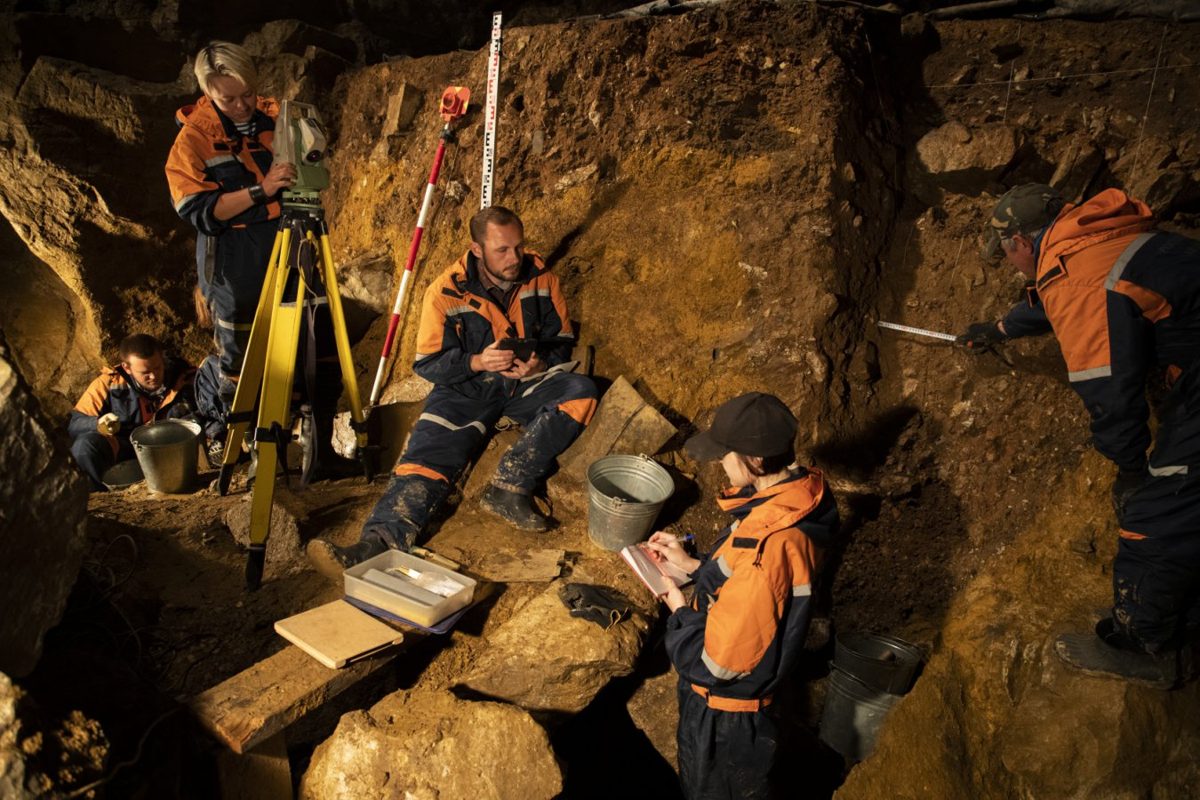
Genetic analysis conducted on bone fragments from Denisova Cave in Siberia has unveiled a previously unknown, extinct species of yak. This new species, dubbed "yak X," was likely hunted by ancient humans, including Neanderthals, Denisovans, and our own species.
Highlights
- The newly identified species was determined through DNA analysis of hundreds of tiny bone fragments found in Denisova Cave, Siberia.
- Researchers from Stockholm University estimate that this species diverged from wild yaks approximately 400,000 years ago and went extinct around 30,000 years ago.
- Unlike modern yaks, yak X is believed to have inhabited lower elevations and been less adapted to extreme mountain environments.
- Scientists suspect that yak X was preyed upon by ancient human species such as Denisovans and Neanderthals.
Details
Love Dalén and his team at Stockholm University initially began studying bone fragments from Denisova Cave, famous for the discovery of Denisovan remains, with the aim of understanding bison evolution. However, they found that the DNA from nearly all bone fragments in the cave did not match any known living bovine species. The team successfully constructed genomes from 20 individuals using hundreds of bone fragments from the cave and three other nearby sites.
Genetic analysis indicates that yak X diverged from the wild yak (Bos mutus) around 400,000 years ago. It appears to have become genetically isolated by approximately 250,000 years ago and subsequently went extinct around 30,000 years ago. This divergence timeline is similar to that between polar bears and brown bears, suggesting yak X was likely a distinct animal.
Why it matters
This discovery provides new insights into Siberia's ancient ecosystem and the hunting practices of human species that inhabited the region. The presence of yak X offers crucial clues about how human species like Denisovans and Neanderthals interacted with the megafauna of that era, adding a new dimension to the story of human evolution.