Media Groups Challenge India's New Privacy Law in Supreme Court
Media organizations in India have challenged the government's new privacy law in the Supreme Court, arguing it could restrict press freedom and hinder investigative journalism by requiring journalists
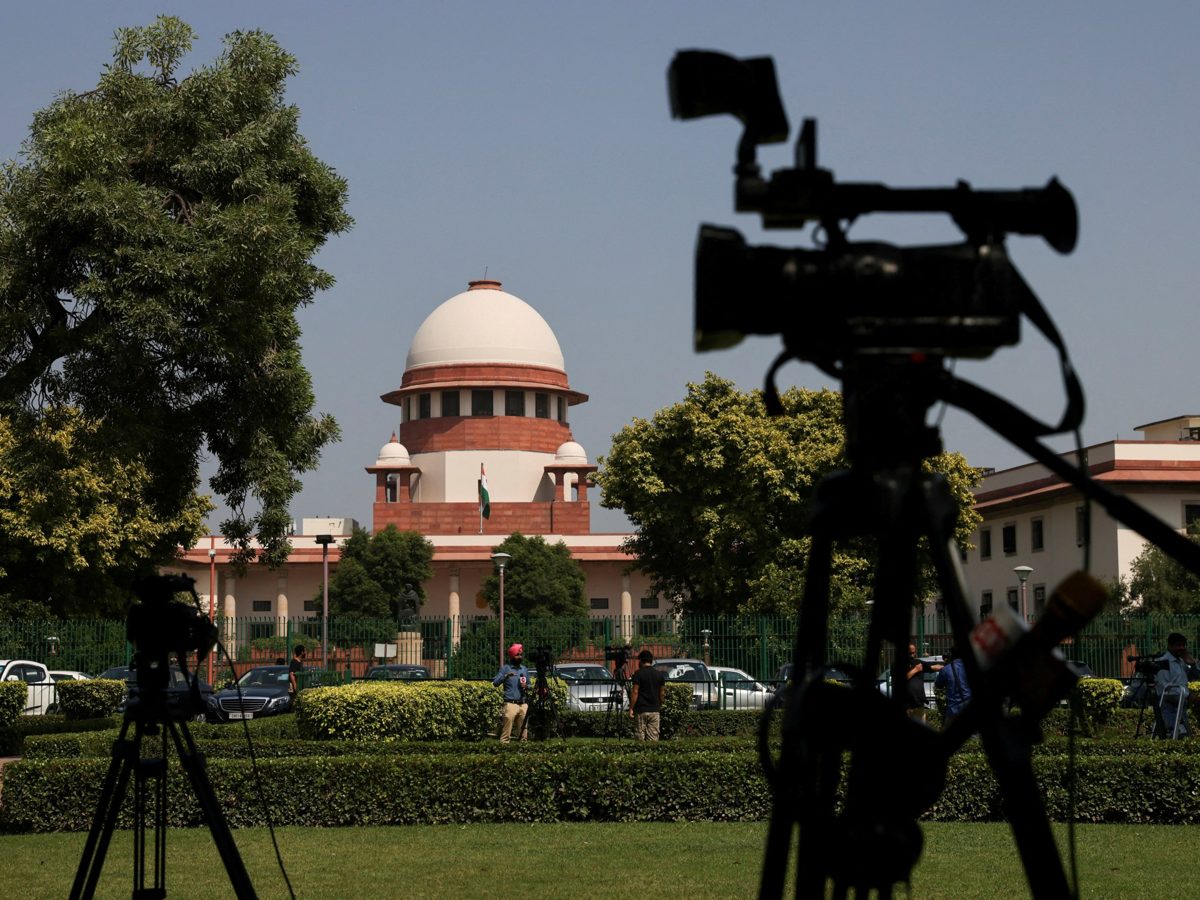
A coalition of 21 media organizations in India, including prominent news publishers, has approached the Supreme Court to challenge the government's new privacy law. The groups contend that the law, which mandates journalists to obtain consent from individuals they report on, amounts to pre-censorship and could jeopardize journalistic sources.
Madhavi Goradia Divan, a lawyer for the Digital News Publishers Association (DNPA), stated before the court that the law "is changing the whole concept of what is news" and that the requirement for consent could lead to newsrooms shutting down.
Highlights
- 21 media groups in India have challenged the government's new privacy law in the Supreme Court.
- The law requires journalists to seek prior consent from individuals they report on.
- Media organizations argue this will impede investigative journalism and expose sources.
- The law allows individuals to withdraw consent at any time and demand data erasure.
- Concerns include potential fines for non-compliance and government power to block information in the "public interest."
Details
The law, introduced by Prime Minister Narendra Modi's government, stipulates that journalists must obtain consent from a subject before writing about them. Media groups argue this poses a significant barrier to investigative journalism and could lead to the identification of confidential sources. For instance, seeking consent from a subject of an investigation might allow that individual to destroy evidence or intimidate witnesses.
Despite assurances from the government in an August meeting that press freedom would be protected, the absence of a written exemption for journalists, similar to those in the European Union, Singapore, and Britain, has heightened concerns. The law also grants individuals the right to withdraw their consent at any time and demand the erasure of their data. The DNPA suggests this could force its members to unpublish or heavily redact factual news reports.
News publishers are also worried about a federal authority established under the law, which can impose fines for non-compliance and grant New Delhi the power to block access to any information in the "interests of the general public." This is perceived as a severe curtailment of press freedom. Starting next year, the law will also allow the government to order any organization handling personal data "to furnish such information as it may call for," potentially compelling newsrooms to divulge their sources.
Why it matters
This law is of critical importance for the future of press freedom and investigative journalism in India. According to media groups, the legislation could deter whistleblowers from sharing information about corruption, corporate wrongdoing, or electoral malpractice, thereby hindering the public's access to accurate information. The Supreme Court's decision will set a significant precedent that could profoundly impact the media landscape in India.