Israel Holds First General Election Since October 7 Attacks
Israel conducted its first general election since the October 7 attacks, with Prime Minister Netanyahu facing a tight race against former military chief Gadi Eisenkot, and Arab parties potentially pla
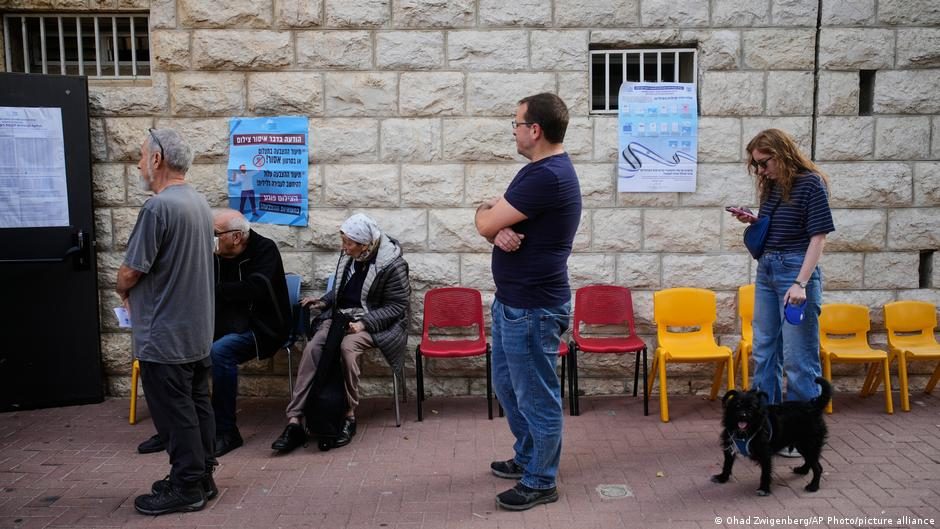
Israel held its first general election on October 27, 2026, since the deadly Hamas attacks of October 7, 2023, and the subsequent war in Gaza. Benjamin Netanyahu, the country's longest-serving prime minister, faced a significant challenge to retain power from a bloc led by former military chief Gadi Eisenkot.
Approximately 7.3 million Israeli citizens were eligible to vote, with polls indicating a neck-and-neck race between Netanyahu and his main centrist rival, Eisenkot. The outcome of these elections is expected to have substantial implications for Israel's domestic and foreign policies.
Highlights
- Israel conducted its first general election since the Hamas attacks on October 7, 2023.
- Prime Minister Benjamin Netanyahu faced fierce competition from opposition leader Gadi Eisenkot, a former military chief.
- Polls suggested a tight race between the two main candidates, with Arab parties potentially holding the balance of power.
- Key issues in the election included political accountability for the October 7 attacks, mandatory military service for ultra-Orthodox men, and Israel's international standing.
Details
Voting commenced at 7 a.m. local time on Tuesday, marking a critical moment for the right-wing government that has been in power for the past four years. Netanyahu's alliance with ultra-nationalist politician Itamar Ben-Gvir had drawn criticism from many Israelis. These voters blamed the government for failures surrounding the Hamas attack and for the country's increasing international isolation.
Gadi Eisenkot emerged as a leading opposition figure, with many Israelis placing their hopes in him. However, both Netanyahu and Eisenkot oppose the creation of an independent Palestinian state, suggesting that the election is unlikely to bring major policy changes that could revive the long-stalled peace process.
Netanyahu faces several court cases if he loses office, adding a layer of personal stakes to this election. This underscores the profound importance of the election for his political future.
Why it matters
These elections took place under the shadow of the October 7 attacks and the ongoing war in Gaza. The results could mark a turning point in Israel's domestic politics and have long-term implications for the Palestinian issue, regional security, and Israel's international relations. The focus on internal debates, such as mandatory military service for ultra-Orthodox men, also highlighted deep divisions within Israeli society.