Iran, Saudi Arabia, Turkey, and Pakistan Continue Talks for Regional Peace
High-level officials from Iran, Saudi Arabia, Turkey, and Pakistan have agreed to continue discussions for regional peace and security amidst ongoing Houthi attacks on Saudi Arabia.
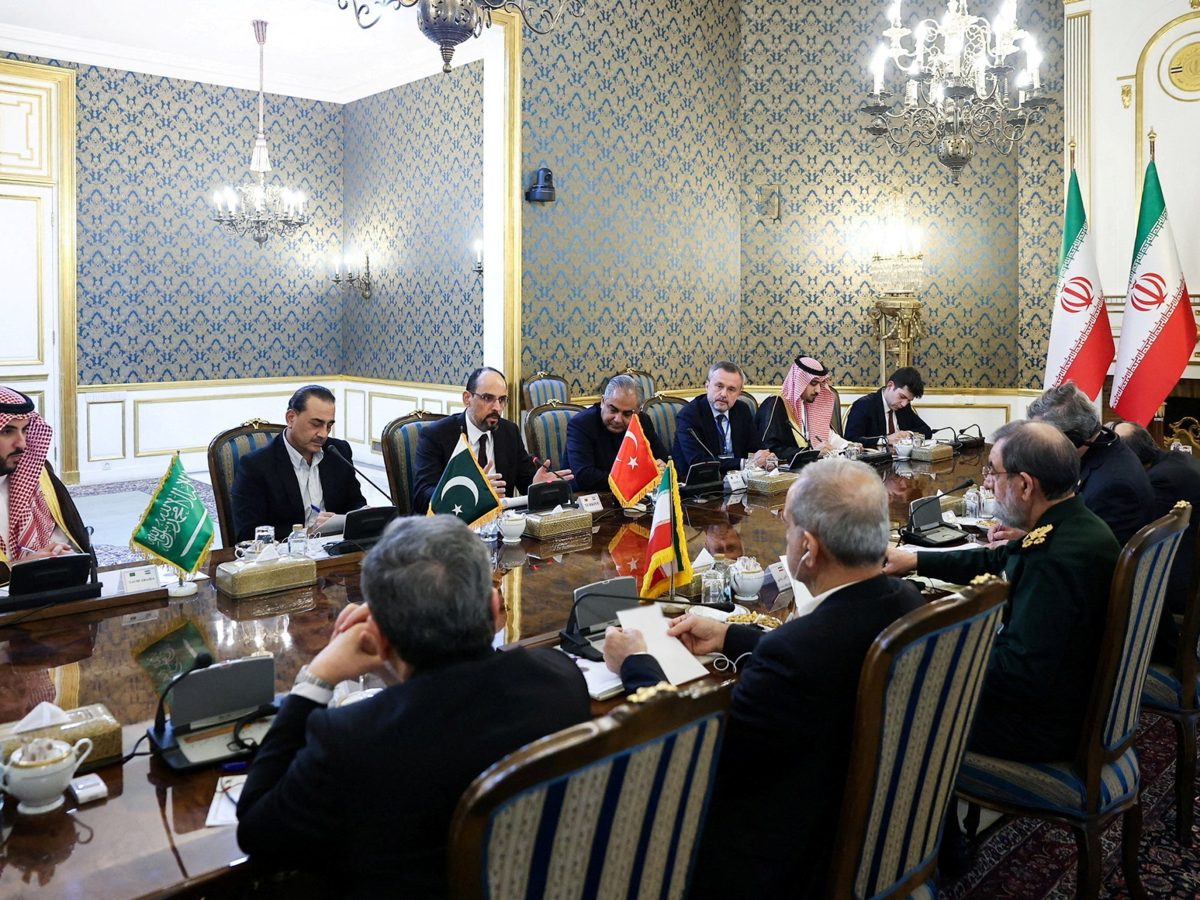
Top officials from Iran, Saudi Arabia, Turkey, and Pakistan have agreed to continue talks aimed at strengthening regional peace and security. This decision comes as Houthi missile and drone attacks on Saudi Arabia persist.
The discussions, held in Tehran, marked the first high-level contact between Iran and the three nations—who signed the Mecca mutual defense pact in August—since a war that began with US and Israeli strikes on Iran also expanded to Saudi Arabia and Yemen.
Highlights
- The four countries agreed to maintain dialogue to enhance cooperation for regional peace and security.
- The talks occurred amid escalating US threats of military action against Iran.
- Key officials including defense ministers, army chiefs, and intelligence heads from the respective nations participated.
- According to a Pakistani official, the discussions focused on establishing a regional non-aggression network.
- Houthi missile and drone attacks on Saudi Arabia continue, with the Saudi-led coalition reporting interceptions.
Details
According to Iranian state media, the four countries issued a joint statement late Monday, agreeing “to continue the dialogue to strengthen cooperation amongst the four regional countries, including for peace and security in the region.” These talks represented the first high-level engagement between Iran and the three nations that signed the Mecca mutual defense pact in August: Saudi Arabia, Turkey, and Pakistan.
Hours after the talks, Colonel Turki al-Maliki, a spokesman for the Saudi-led coalition, stated that three ballistic missiles fired by the Houthis and aimed at Saudi Arabia’s Eastern Province were intercepted, causing no casualties. He added that four drones heading towards the kingdom’s south were also shot down. Saudi Arabia indicated that the visit to Tehran was intended to open negotiating channels to “prevent the return of military escalation.” The Saudi delegation included Defense Minister Prince Khalid bin Salman, while Pakistan sent its army chief, Field Marshal Asim Munir, and Turkey sent its intelligence chief, Ibrahim Kalin.
A senior Pakistani security official informed Reuters that the discussions centered on building a regional non-aggression network. The agenda also reportedly covered negotiations between the US and Iran, Houthi attacks on Saudi Arabia, and issues concerning the Strait of Hormuz.
Why it matters
These discussions are crucial for regional stability, especially given the heightened tensions between Washington and Tehran and the escalating conflict in Yemen. The engagement of these four key regional players signals a potential shift towards internally driven solutions and a united stance against external interventions. This dialogue is also closely watched globally due to its implications for shipping security in the Strait of Hormuz and its potential impact on oil prices.