Israel's First General Election Since October 7 Attacks Sees Close Race for Prime Minister
Israel's first general election since the October 7, 2023 attacks is underway, with Prime Minister Benjamin Netanyahu and his main challenger Gadi Eisenkot in a tight contest.
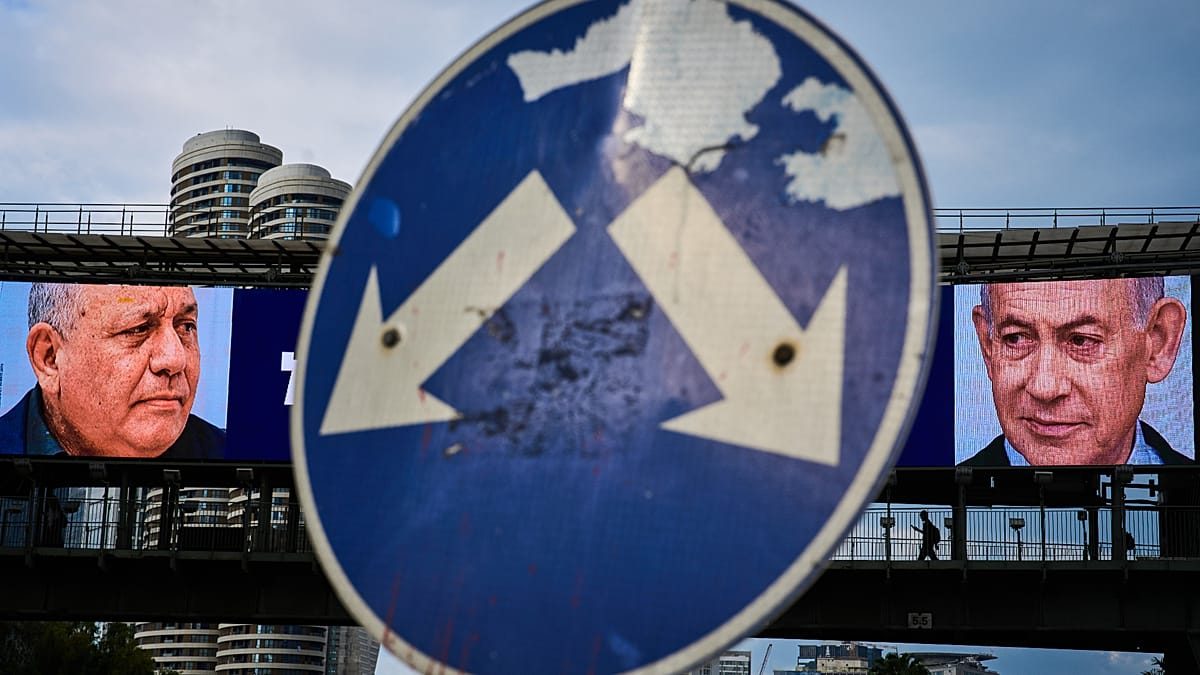
Israel is holding its first general election since the Hamas attacks of October 7, 2023. The prime ministerial race between incumbent Benjamin Netanyahu and his centrist challenger Gadi Eisenkot is expected to be extremely close, according to final surveys. Approximately 7.3 million eligible voters are casting their ballots, but results could take days, and no single party is anticipated to secure the 61 seats needed for a majority in the 120-member Knesset, suggesting coalition negotiations might last for weeks.
Highlights
- This election marks the first general election since the October 7 attacks.
- Prime Minister Netanyahu and his main rival Gadi Eisenkot are in a neck-and-neck race.
- No party is expected to win an outright majority, potentially leading to weeks of coalition talks.
- Arab-majority parties, representing about 21% of the population, could emerge as kingmakers in a tight result.
- The European Union, Israel's largest trading partner, is closely watching the vote amidst strained relations due to the war in Gaza.
Details
Benjamin Netanyahu, 77, Israel's longest-serving prime minister, has campaigned on his security record and his close relationship with former US President Donald Trump, arguing he is best positioned to keep the country safe.
Gadi Eisenkot, 66, a former military chief and political newcomer, leads the Yashar party and an informal bloc spanning from the right to the center-left. He has pledged an independent state inquiry into the security failures surrounding the October 7 attack, a move the current government has resisted. Voters at polling stations reflected this divide, with some expressing support for Netanyahu and others calling for change.
Why it matters
These elections could mark a significant turning point in Israel's domestic politics and international relations. Prolonged coalition negotiations could impact the country's political stability. European capitals are also closely monitoring the vote, as the new government's policies on Gaza and Palestinian statehood will directly influence Israel's international standing. Analysts caution that replacing Netanyahu would not necessarily mean a break from policies drawing European criticism, noting that Eisenkot has also opposed Palestinian statehood, though he has promised to crack down on violent settlers.