Houthi Actions in Red Sea Threaten African Nations and Global Trade
Houthi efforts to control the Bab el-Mandeb Strait are creating significant economic and humanitarian impacts on African nations like Djibouti and Ethiopia.
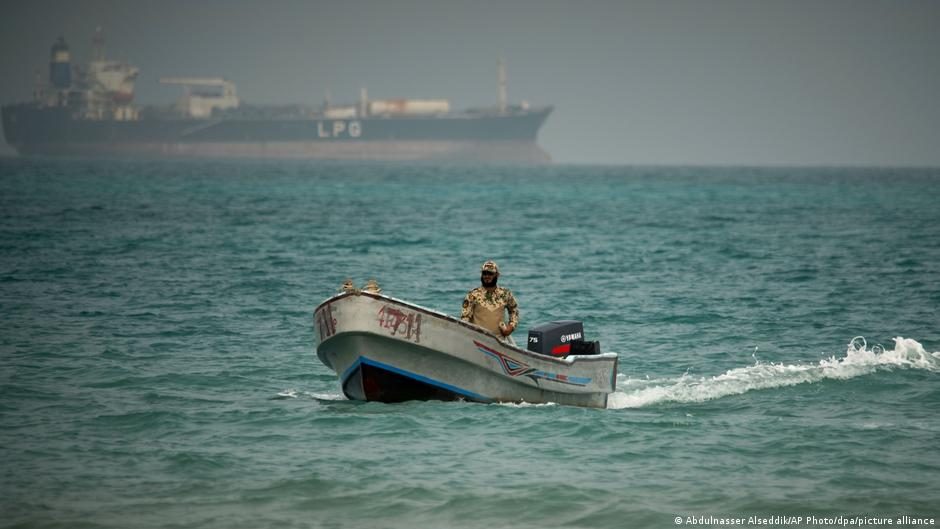
Houthi rebels, backed by Iran, are attempting to control the strategic Bab el-Mandeb Strait, which is severely impacting African countries along the Red Sea coast and global trade. Tensions escalated in September when the Houthis captured Yemen's Perim Island. This island forms the narrowest point of the strait, connecting the Red Sea to the Gulf of Aden, and is located just 20 kilometers from Djibouti.
In early October, Yemeni armed forces and their Saudi allies launched a counteroffensive. Since the start of the Gaza war in 2023, the Houthis have been firing on merchant ships, endangering maritime traffic in the region.
Highlights
- Houthis seized the strategic Perim Island at the entrance to the Red Sea and are attacking commercial vessels.
- The risk of the Bab el-Mandeb Strait becoming impassable could disrupt global shipping and increase costs.
- Djibouti is hosting over 3,700 refugees from Yemen, facing a growing humanitarian crisis.
- Ethiopia, which conducts about 95% of its imports and exports through Djibouti's ports, is heavily affected by rising shipping costs.
- Major powers like the US, China, France, Italy, and Japan maintain military bases in Djibouti, highlighting its strategic importance.
Details
If the Bab el-Mandeb Strait becomes impassable, shipping companies would be forced to use longer routes via the Suez Canal or the southern tip of Africa. These additional costs would be passed on to consumers, further straining African economies already suffering from the crisis in the Strait of Hormuz, which has led to fuel and fertilizer scarcity and price increases.
The humanitarian impact of the escalation was immediately felt in Djibouti. According to the UN Refugee Agency (UNHCR), over 3,700 refugees have crossed from Yemen into Djibouti since September. Most of those arriving in the country's arid Obock region are women and children. UNHCR is preparing to assist another 10,000 people who have not yet crossed. Alessandra Roccasalvo, UNDP representative for Djibouti, stated that water scarcity in the region is severe, requiring all water to be desalinated.
Ethiopia, the world's most populous landlocked country, handles approximately 95% of its imports and exports through Djibouti's ports. Rising shipping insurance premiums due to the conflict are significantly affecting the Ethiopian economy. Additionally, renewed fighting in Ethiopia's northern Tigray region has threatened the country's trade corridor. Experts suggest that advances by the Ethiopian National Defense Forces (ENDF) have reduced the immediate threat of a trade blockade, but the situation could deteriorate if the conflict remains unresolved.
Why it matters
Instability in the Bab el-Mandeb Strait not only deepens regional conflicts but also threatens global supply chains and energy markets. Djibouti's strategic location, hosting military bases for several major powers, amplifies the international implications of any regional escalation. This situation exacerbates economic challenges for African nations and necessitates increased international focus on the crisis in Yemen and maritime security. While some African ports, such as those in Kenya and Tanzania, are emerging as alternatives, the widespread impact of the current crisis will be significant.