Mbappé's "Chinese Dictator" Comment Triggers Backlash in China, Leading to Brand Drops
French footballer Kylian Mbappé's alleged comments about a "Chinese dictator" on a talk show have sparked significant outrage in China, resulting in several Chinese brands terminating their partnershi
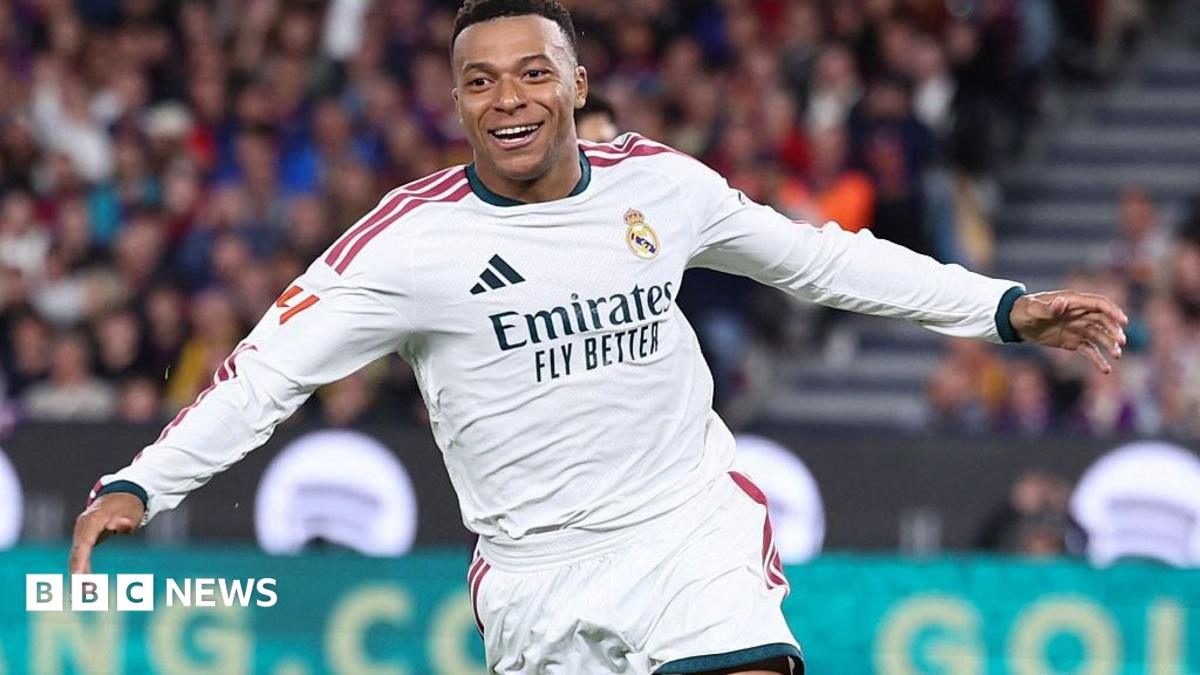
French footballer Kylian Mbappé is facing a strong backlash in China after allegedly commenting on a French talk show that the funniest meme about him was one where his face was superimposed on "a Chinese dictator." This remark has led several major Chinese brands to drop their endorsement deals with the football star.
While Mbappé's nickname, "the dictator," is a popular joke referring to his immense influence on the field, the alleged reference to former Chinese leader Mao Zedong has been met with severe criticism in China. Mao Zedong is revered by the Chinese Communist Party, despite his tumultuous rule.
Highlights
- Mbappé's alleged comments about a "Chinese dictator" ignited widespread anger on Chinese social media.
- Major Chinese brands, including dairy producer Mengniu and beverage giant Dongpeng, announced the termination of their partnerships with Mbappé.
- China's Foreign Ministry stated that "words and deeds that hurt the feelings of the Chinese people will naturally be met with opposition from all sectors of Chinese society."
- Chinese football forum Dongqiudi deemed the comments "inappropriate" and "hurt the feelings of Chinese people."
- State broadcaster CCTV's news apps reportedly will no longer feature content related to Mbappé, and CCTV may stop showing La Liga matches.
Details
The controversy stems from an alleged appearance by Mbappé on a French talk show, where he reportedly mentioned a meme featuring his face on an image resembling Mao Zedong. Although Mbappé's nickname "the dictator" is a lighthearted reference to his on-field dominance, the perceived association with Mao Zedong was taken as an insult in China, where Mao is a highly respected figure by the Communist Party.
Chinese brands, in severing ties with Mbappé, emphasized their "zero-tolerance policy towards any words or actions that hurt the feelings of the Chinese people," even without explicitly naming the comments. Statements from companies like Mengniu and Dongpeng reflect this sensitivity. Chinese Foreign Ministry spokesperson Lin Jian also weighed in, stating, "We have noted the relevant reports. Words and deeds that hurt the feelings of the Chinese people will naturally be met with opposition from all sectors of Chinese society."
On the Chinese social media platform Weibo, five out of the top 10 trending topics on Tuesday were related to Mbappé. Users expressed strong disapproval, with comments such as "Don't ever come to China." Mbappé has faced similar controversies before, including suing a French influencer in 2024 for using his name in a sandwich description. During the 2026 World Cup, teammate Ousmane Dembele also referred to Mbappé as "Mobut," a reference to former Congolese dictator Mobutu Sese Seko.
Why it matters
This incident underscores the critical importance for international sports figures and brands to navigate cultural sensitivities and differences carefully within the Chinese market. Any perceived slight against national sentiment or historical figures in China can lead to significant commercial and reputational damage. Mbappé's situation serves as a stark reminder of how public statements by global personalities can be interpreted differently across cultures, with substantial consequences.