Research Launched on Seabirds After Microplastic Spill
Following the spill of tons of microplastic nurdles into the River Tyne in England in July, necropsies are being conducted on seabirds to understand the impact of this pollution.
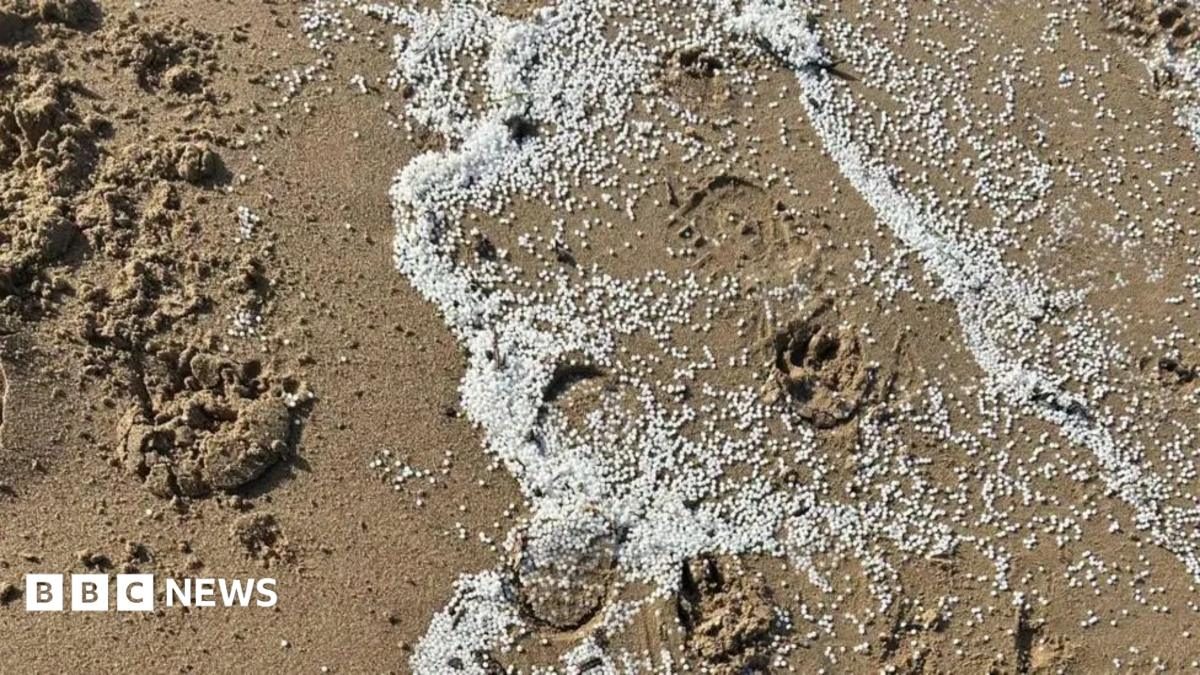
In July, tons of microplastic pellets, known as nurdles, spilled into the River Tyne in England following a collision between ships at the Port of Tyne. Research has now been initiated to determine the effects of this spillage on coastal seabird populations.
A series of necropsies are currently underway at the Dove Marine Laboratory in Cullercoats on dead birds collected after the spill. These studies aim to reveal whether microplastics have entered the birds' digestive systems and how they might be affecting their health.
Highlights
- Tons of nurdles spilled into the River Tyne on July 19 after a ship collision at the Port of Tyne.
- Necropsies are being performed on dead seabirds collected post-spill.
- Researchers are concerned birds may 'starve' if they mistake nurdles for food.
- Dan Turner, coordinator for North East England Beached Bird Surveys, noted nurdles have been found in the stomachs of some birds.
- 28% of the 18 tons of spilled nurdles have been recovered so far.
Details
The research was prompted by concerns that birds might mistake nurdles for fish eggs, consume them, fill their stomachs, and consequently starve. Dan Turner from the North East England Beached Bird Surveys mentioned that plastic has previously been found in the stomachs of fulmars, suggesting a similar outcome is highly probable in some cases. Necropsies are being conducted on a variety of seabirds, including eight guillemots, five herring gulls, a gannet, and a pink-footed goose.
Turner also highlighted that nurdles attract pollutants and contaminants when floating in water. If birds ingest these, the chemicals could enter their systems. Further testing may be required to ascertain if the plastic can enter the birds' bloodstream, potentially leading to a decline in their overall fitness.
Why it matters
This research is crucial for understanding the direct impacts of microplastic pollution on marine ecosystems, particularly seabird populations. There are warnings that nurdles could affect not only birds but also fish, seals, and dolphins, leading to broader food chain contamination. The data collected will provide a vital foundation for future environmental protection strategies and efforts to combat microplastic pollution.