NASA Orders Additional Starliner Flights, Provides Further Support to Boeing
NASA has ordered two additional crewed flights for Boeing's troubled Starliner spacecraft and will provide an additional **$359 million** to support the vehicle's return to flight.
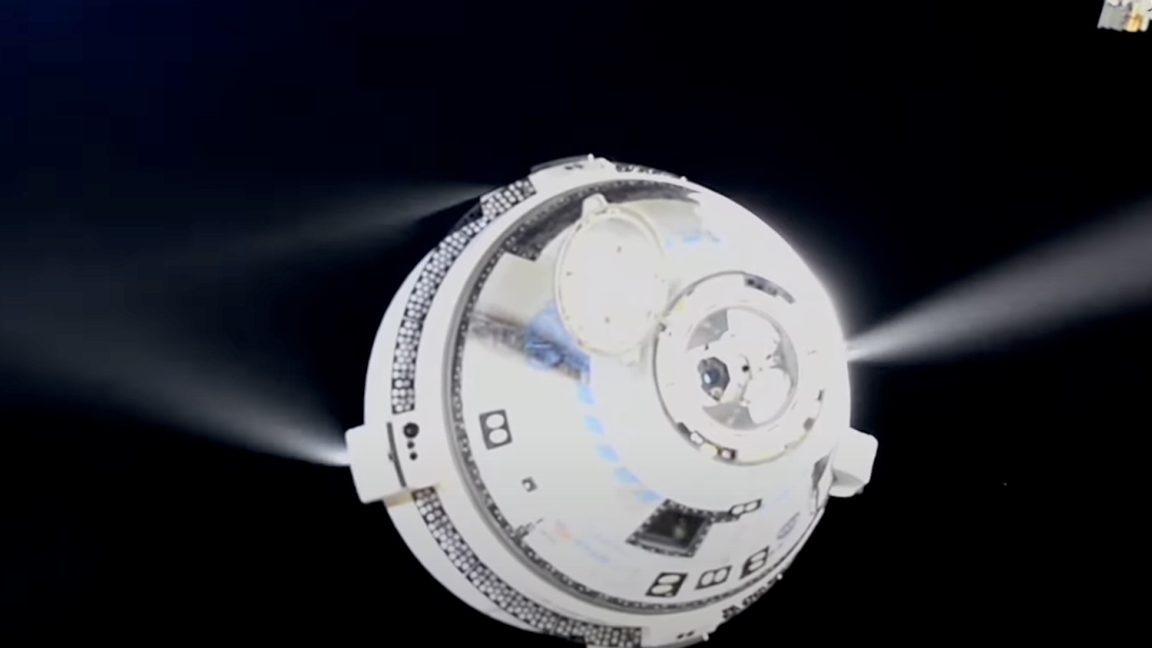
The U.S. National Aeronautics and Space Administration (NASA) has announced it will purchase two more crewed flights on Boeing's Starliner spacecraft. The agency will also provide financial support to Boeing for its efforts to get the crewed vehicle back to flight and secure a new rocket after the Atlas V retires. This decision comes as NASA seeks to maintain access to low-Earth orbit following the anticipated retirement of SpaceX's Crew Dragon vehicle.
Highlights
- NASA has ordered two additional crewed missions on Starliner, bringing its total to six flights.
- The agency will pay Boeing $359 million to help complete a rebuild of the reaction control system thrusters and certify United Launch Alliance's Vulcan rocket for human missions.
- With SpaceX's Crew Dragon expected to retire by 2030, NASA is relying on Boeing for astronaut transportation to low-Earth orbit.
- Boeing has incurred over $2 billion in losses on the Starliner program, with NASA previously providing $5.1 billion in funding.
Details
NASA Administrator Jared Isaacman stated that SpaceX intends to sunset older platforms like Falcon and Dragon to focus on its next-generation Starship capability. While Crew Dragon has successfully flown NASA astronauts for over six years, Boeing's Starliner has faced significant challenges. The vehicle experienced numerous issues on uncrewed test flights in 2019 and 2022, and thruster problems nearly led to a catastrophic loss during its first crew test flight in June 2024.
NASA is considering extending the International Space Station's lifetime to 2032 and supporting the development of private space stations (commercial LEO destinations or CLDs). Despite Starliner's flaws, it was deemed the best option for transporting astronauts to these platforms. NASA officials indicated that the nation has already invested heavily in Boeing's efforts, and it would be unwise to abandon that investment with Starliner nearing readiness.
John Mulholland, Boeing's Vice President and Program Manager of Commercial Crew, expressed that they are "incredibly excited" about the partnership with NASA and aim to become the preferred transportation supplier for CLD providers in the future. For Starliner-2 through Starliner-6 missions, NASA and Boeing have agreed on a price point of approximately $90 million per seat. However, Boeing has not yet committed to seat prices for the 2030s.
Why it matters
This decision represents a critical step for NASA to maintain independent access to low-Earth orbit. As SpaceX's Crew Dragon retires, Boeing's Starliner, despite its past difficulties, has the potential to become the sole commercial vehicle capable of transporting U.S. astronauts to space. This could grant Boeing a significant monopoly position but also places immense pressure on the company to successfully complete the Starliner program.